
Barrett radio equipment to support emergency communications in the Hurricane Belt
Barrett radio equipment to support emergency communications in the Hurricane Belt.
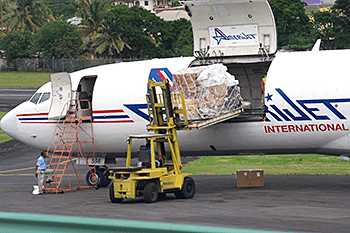
Perth, Western Australia, August 3rd, 2016 – In late May 2016 a shipment of equipment from Barrett Communications was delivered to the island group of Saint Vincent and the Grenadines, located in the Caribbean Sea, between Saint Lucia and Grenada. These islands are located within “the hurricane belt” and with the 2016 season soon to commence, the shipment was greatly anticipated.
The donation shipment was the eventual result of an article written by The Rainbow Radio League’s (RRL) Director, Mr Donald De Riggs, in an American radio communications publication. RRL is a non-profit volunteer organization with emergency communications as its specialty. Their requirement in terms of communications was for emergency and disaster preparedness radio equipment that was reliable, inexpensive to run and easy to operate on an ongoing basis. Recognizing that the requirement reflected Barrett’s range of equipment and services the company decided to make contact with Mr Riggs with a view to offering some assistance to RRL.
As a result of detailed discussions about their need to strengthen emergency radio communications, an agreement was made and a range of ex demonstration High Frequency (HF) and Very High Frequency (VHF) radio communications equipment was dispatched to RRL. The agreement includes two Barrett 2050 HF transceivers, one in base station and the other in vehicle configuration, two 2090 HF Manpacks, four PRC-2090 HF base stations, three PRC-2080 VHF handheld transceivers and one PRC-2082 VHF base station. To allow for interoperability between the HF and VHF networks a Barrett HF-VHF Cross Gate was also supplied, the VHF will allow for “line of sight” communications during an incident or event and the HF will allow for communications back to the RRL headquarters or another base station in the island chain. The majority of the HF equipment has been earmarked for the Grenadines which has the greatest need for emergency communications equipment.
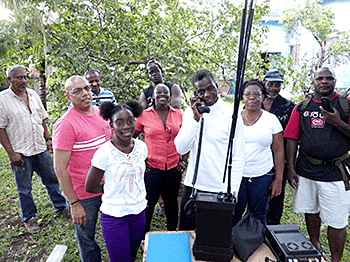
It was critical that the equipment supplied would be operational directly after a natural disaster with no power or infrastructure in place. Barrett also supplied 14 solar panels that can be used to charge batteries that will power the equipment. Mr De Riggs commented “Within one week of receiving the equipment, some of the portable equipment was used to provide support communications for an outdoor motor sporting event at Mt. William. The Barrett radio equipment improved the service during this event.”
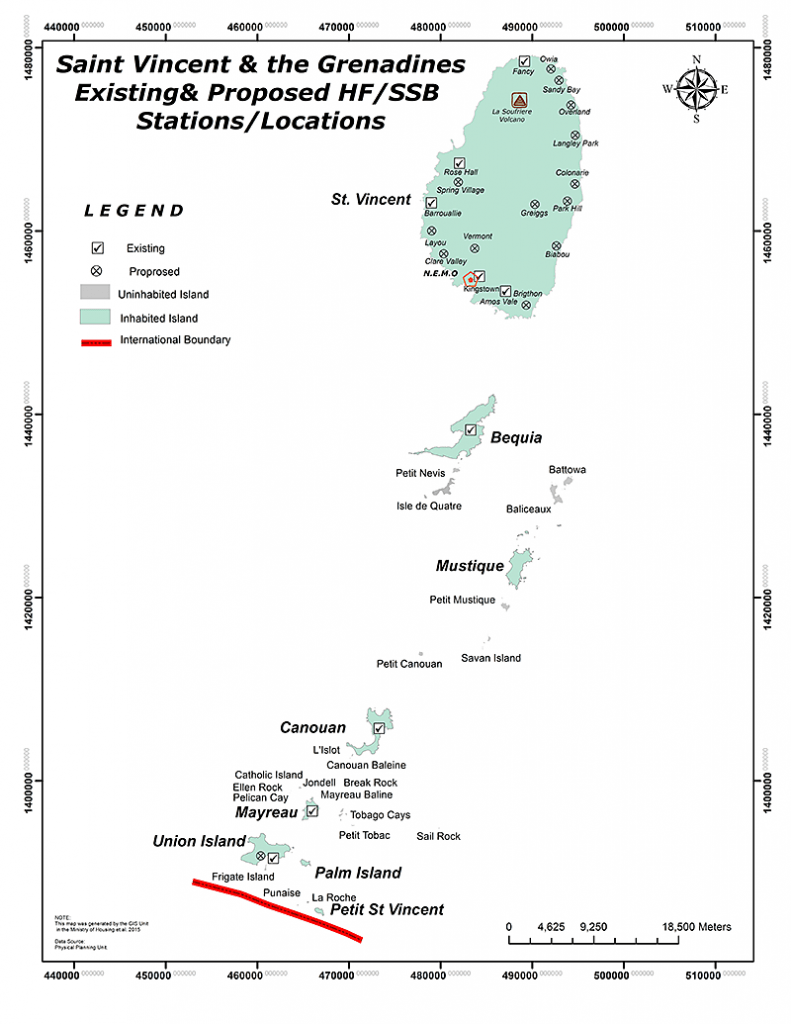
Mr De Riggs went on to say “The results so far from the testing we have done, even at low power, have been very encouraging. The Barrett 2090 HF Manpack has an outstanding receiver which is important, because even if you cannot communicate with base, hearing a life saving announcement or command matters a lot.” Due to the remoteness of the Island country the response time by regional and international response agencies, especially if the event is catastrophic, is critical. The HF systems will replace salt damaged equipment at Clifton Health Center in Union Island, another in Mayreau, Canouan and the other at Paget farm Bequia. In St. Vincent another will be placed at Fancy and the other at RRL HQ in Kingstown. The new equipment will be installed over the next few months. Barrett will provide further updates of RRL’s progress in the future as they roll out their emergency radio communications network.

Beyond the blackout: are power distributors underestimating the effectiveness of their backup communications?
When the power goes out, communication becomes everything.

Building a radio network for community-based environmental alerts
Learn how to build an HF radio network for community alerts. Explore emergency frequencies, training, and protocols to enhance disaster resilience

PACE comms strategy: Why HF radio is vital for emergency response
Choosing the right Primary, Alternate, Contingency, and Emergency (PACE) comms strategy is critical for improving the response to critical incidents.
Cognitive Radio: Smart Solutions for Spectrum Congestion
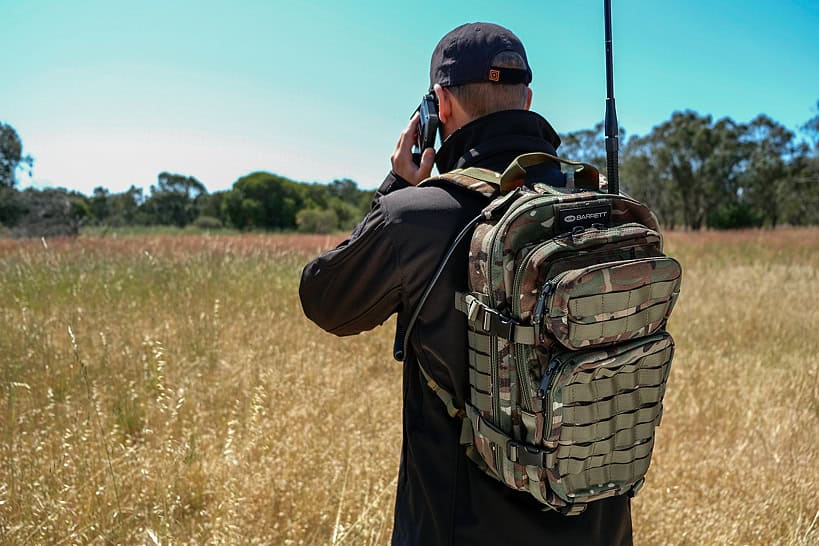
The surge in demand for wireless communication has led to significant spectrum congestion. Cognitive radio technology offers a smart solution to this problem by intelligently identifying and switching to available channels, enhancing spectrum efficiency and mitigating congestion.
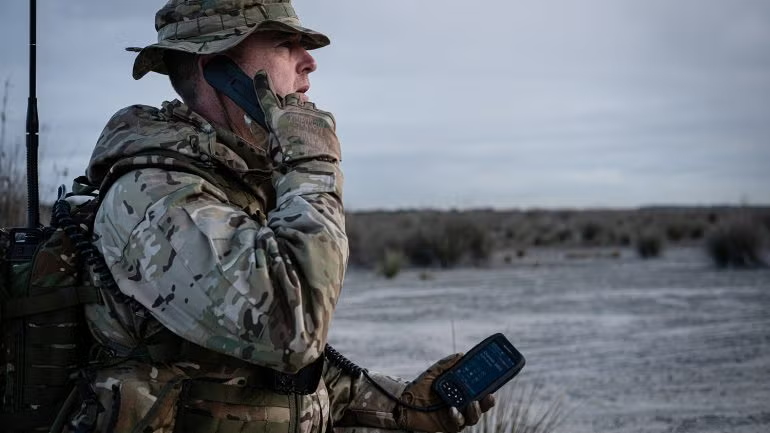
Eliminating empty zones: Why HF radio remains critical in remote desert areas
Securing reliable communications across vast desert areas that lack the necessary infrastructure can be complicated. In these so-called ‘empty zones’, which can extend for thousands of kilometres, alternative comms systems must be put in place to ensure vital personnel can remain in contact.
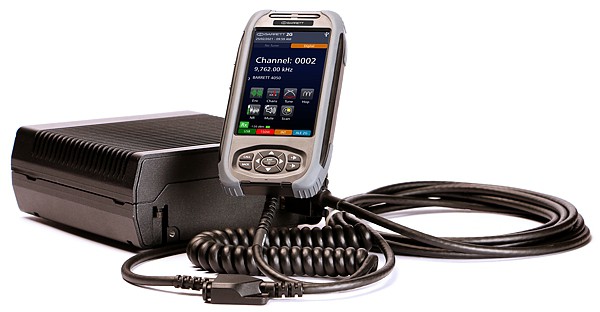
Advanced HF Radio Propagation Techniques: Mastering Long-Distance Communications
High-frequency (HF) radio wave propagation is crucial for long-distance communication.