

How does the Royal Flying Doctor Service manage critical communications?
How does the Royal Flying Doctor Service manage critical communications?
The Royal Flying Doctor Service has always been ahead of the game when it comes to critical communications. And it has to be, being that the organisation is one of the largest and most comprehensive aeromedical organisations in the world.
The Royal Flying Doctor Service provides emergency and primary health care services for those who live in rural, remote, and regional areas of Australia, who do not have access to a hospital or general practice due to the vast distances and varying terrain of the country.
There is no question that this non-profit organisation needs to rely on its communication devices and procedures to make sure it gets to where it needs to be. And these communication devices aren’t for internal purposes only, but need to be readily available and reliable for individuals seeking help to be able to reach them.
Getting the Royal Flying Doctor Service communication off the ground
In a time when the potential of aviation and communication devices had still yet to be developed, the Reverend John Flynn, who proposed the idea for what would become the Royal Flying Doctor Service, commissioned Fred Traeger to develop a pedal radio in 1927.
This new invention allowed people to communicate with the organisation from great distances. But the Royal Flying Doctor Service communication efficiencies didn’t end there. They have continued to push the boundaries when it comes to not only managing their critical communications, but communications efforts as a whole.
For example, the organisation recently joined other regional and local organisations to improve internet and phone connectivity by becoming a member of the Rural, Regional & Remote Communications Coalition (RRRCC).
This joining makes sense since the Royal Flying Doctor Service relies on crucial connectivity to deliver a wide range of services, from emergency contact situations to clear and understandable telehealth scenarios.
Incorporating HF radios
Organisations that need this type of reliance on services should turn to HF radios, which provide critical communications capabilities for a wide range of industries. These radio systems come in two main forms of radio wave transmissions: ground waves (which travel along the earth’s surface and are ideal for short distances) and sky waves (which can reach transmission ranges of several thousand kilometres).
There is no denying that an organisation such as the Royal Flying Doctor Service should continue to trust the best there is for managing their critical communications, which are HF radio communication systems.
For more information on HF radio communication systems, contact us today.
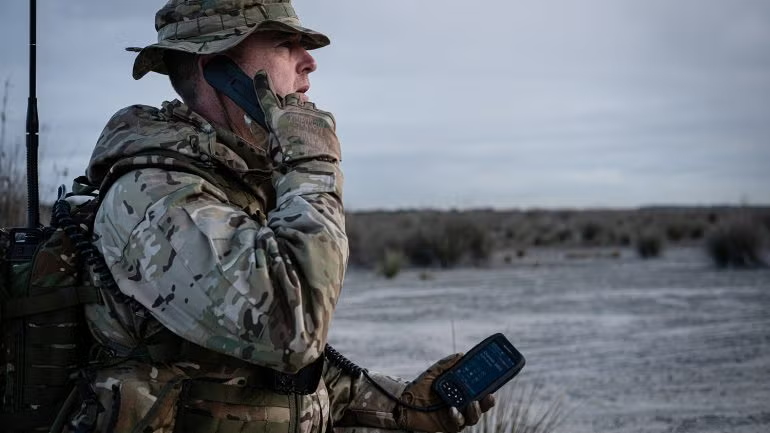
Eliminating empty zones: Why HF radio remains critical in remote desert areas
Securing reliable communications across vast desert areas that lack the necessary infrastructure can be complicated. In these so-called ‘empty zones’, which can extend for thousands of kilometres, alternative comms systems must be put in place to ensure vital personnel can remain in contact.

Why naval vessels would be all at sea without HF radio
To protect its citizens, regional defence forces must be well-equipped and well-maintained. When coordinating military operations, evacuations, and relief efforts, communications systems are crucial.
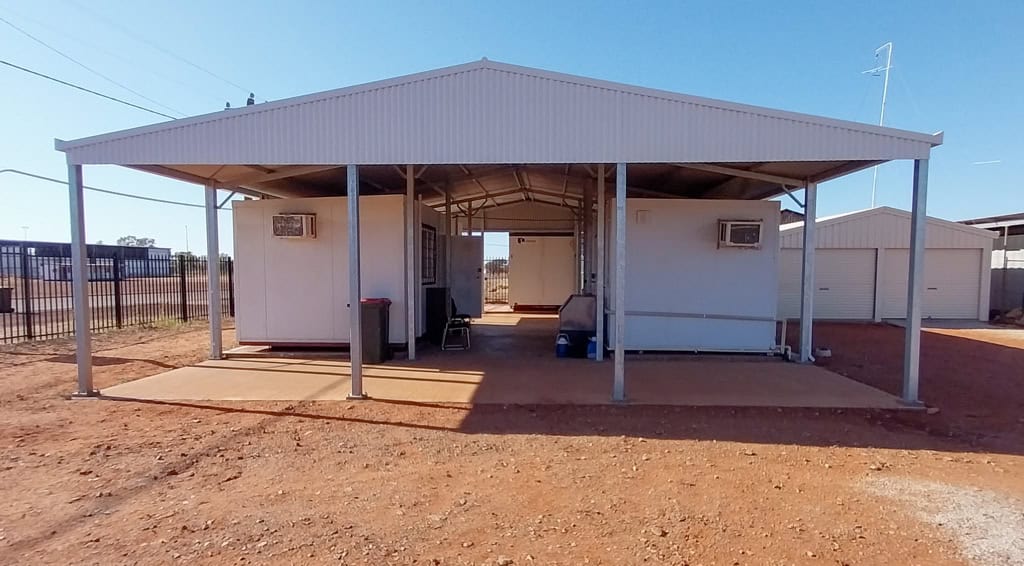
Why one tiny town in Australia is an HF radio powerhouse
Wiluna is 1,000km from Perth and has a population in the hundreds. Despite this, it is home to test and transmission sites for internationally significant communication systems.
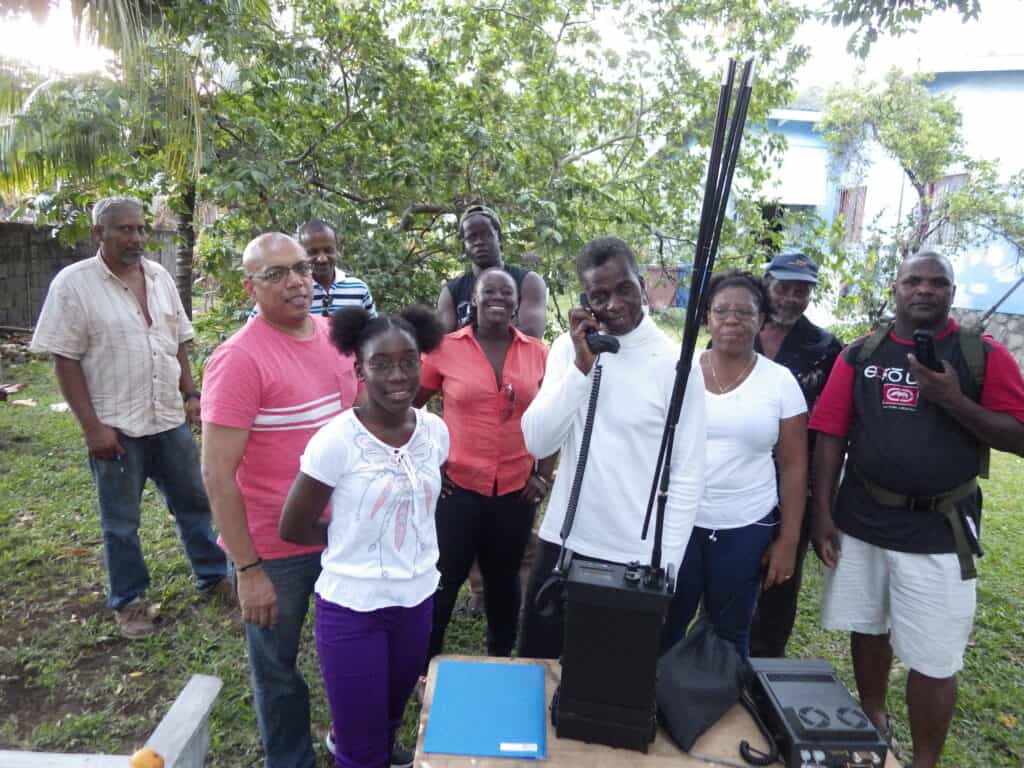
Caribbean nations adopt Australian emergency response tech, systems
In the Caribbean, Australian-made goods are often synonymous with quality. For emergency management teams tasked with saving lives and property, quality is key and that’s why they’re choosing Barrett Communications.
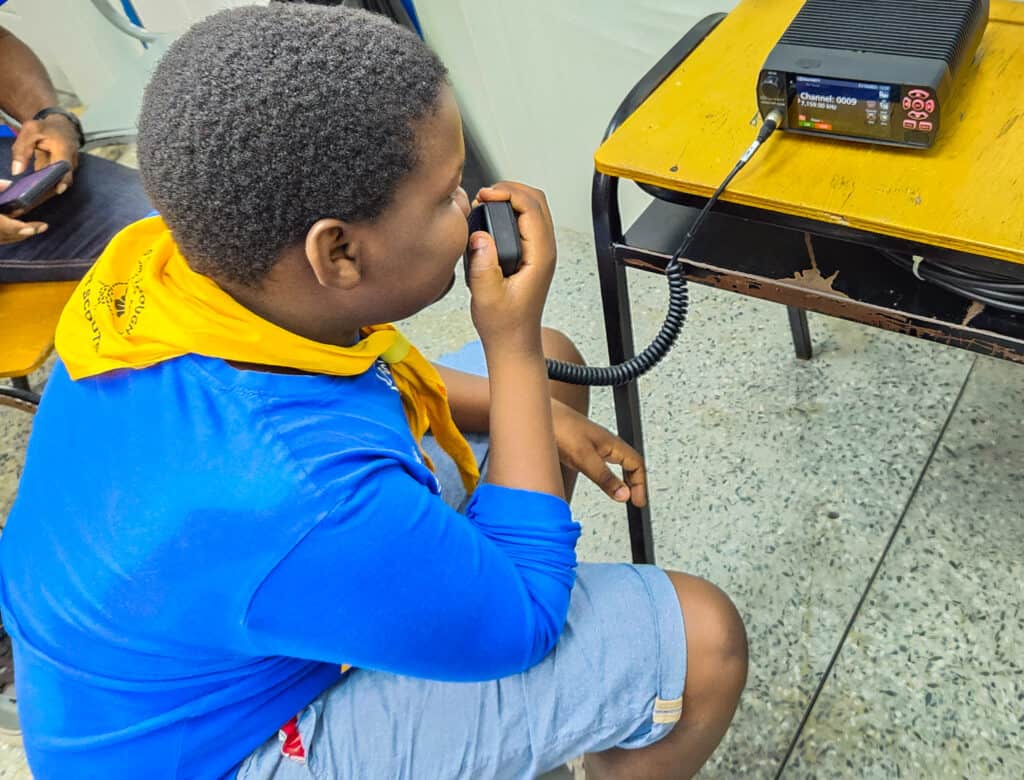
How high-tech HF radios are boosting Tobago’s disaster communications networks
Automatic link establishment in high-frequency (HF) radios means a faster response from emergency management teams and a reduced need for experienced operators.

Caribbean radio movement responds to communication needs during hurricane season
Youlou Radio Movement in St Vincent and the Grenadines is providing much-needed radio links and emcon training in the Caribbean region.

Pingback: Barrett Radios: A look at our legacy in the field of radio communication - Barrett Communications