
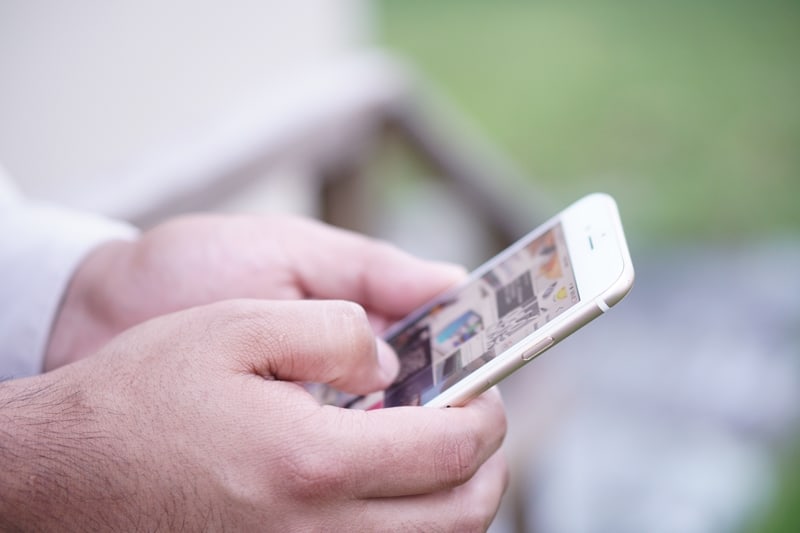
How valuable are smartphones to critical responders
How valuable are smartphones to critical responders?
The emergence of smart technology has transformed communication methods all over the world. Mobile phones now double as computers, radios and cameras, and provide an unprecedented quality of connectivity. When it comes to critical communications, the importance of this technology can’t be overlooked. Modern software defined radio solutions allow for a holistic merging of smartphone capabilities with HF radios for an interoperable solution with valuable benefits.
What is critical response?
Critical response involve situations where assistance is required immediately to protect the safety and well-being of others. This includes emergency response teams, paramedics, police officers and firefighters, as well as groups charged with repairing essential infrastructures such as roads and power lines. In these instances, continuous, clear communication is integral to operations. The ability to remain in contact with headquarters and the wider team ensures that rescue or repair movements can be coordinated efficiently.
For this reason, all possible avenues of communication are explored within critical communications to ensure that connectivity and contact are maintained in a variety of situations.
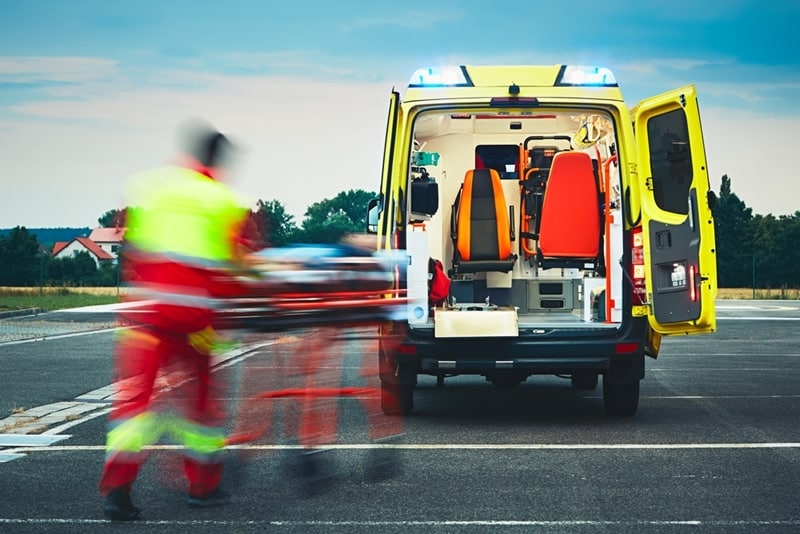
How can smartphones be used in critical response?
There are an estimated 2.5 billion smartphone users in 2019, according to Statista. Due to the volume of users, it’s beneficial to harness these channels as a means of delivering mass information in some areas of the globe, smartphones are used by the majority of the adult population. Many civil defence organisations distribute alerts on a national scale via these devices in instances of natural disaster or military emergency.
Smartphones also allow for precise location tracking, a great benefit for those in emergency response. This way, responders can spend less time determining the location of an incident, and more in executing their plan of assistance.
However, when mainstream communication services fail, such as phone lines, HF radio solutions provide a stable means of contact with the ability to connect with these smart devices.
How important is interoperability to HF radio?
A crucial function of modern software defined radio solutions is interoperability. Whether your radio use is for critical response, tactical operations or humanitarian efforts, interoperability is essential in ensuring that your communication bases are covered for your own team and those you are assisting in the field.
In order for these devices to be truly effective, however, they need to be both intuitive and user-friendly. Especially in the instance of disaster response, operatives won’t have the means or time to be trained in the use of complex devices. In recent years smartphones have taken on a universal interface that is simple for users to navigate, despite their vast technical capabilities. The same principle is applicable within HF radio solutions to enable contact with these devices.
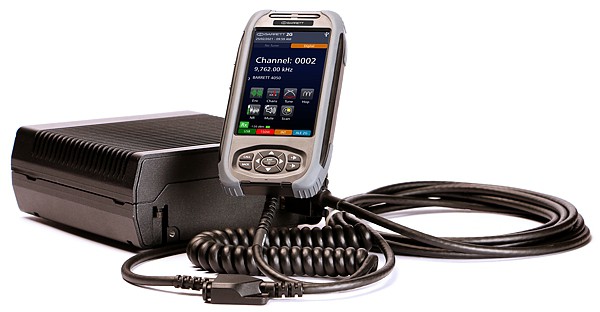
The Barrett 4050 SDR transceiver is fully operable with a range of smartphone operating systems, including iOS, Android and Microsoft devices. This transceiver blends the excellent user interface principles of smart devices with the implementation of an intuitive touch screen. Importantly, the Barrett 4050 SDR can connect and communicate with smartphones, and can be remotely controlled via the 4050 Virtual Control Head app. This allows for full access to all transceiver functionality, which is incredibly beneficial for those working in the field.
Furthermore, the Barrett 4050 SDR can support communication from multiple devices for simultaneous contact. This is incredibly beneficial as different parties can communicate messages at once to multiple parties, meaning that various groups can be kept in the loop for vital updates and changes in movement.
For excellence in radio equipment, look no further than Barrett Communications. Get in contact with our team for an insight into the products best suited for your operation.

Beyond the blackout: are power distributors underestimating the effectiveness of their backup communications?
When the power goes out, communication becomes everything.

Building a radio network for community-based environmental alerts
Learn how to build an HF radio network for community alerts. Explore emergency frequencies, training, and protocols to enhance disaster resilience

PACE comms strategy: Why HF radio is vital for emergency response
Choosing the right Primary, Alternate, Contingency, and Emergency (PACE) comms strategy is critical for improving the response to critical incidents.
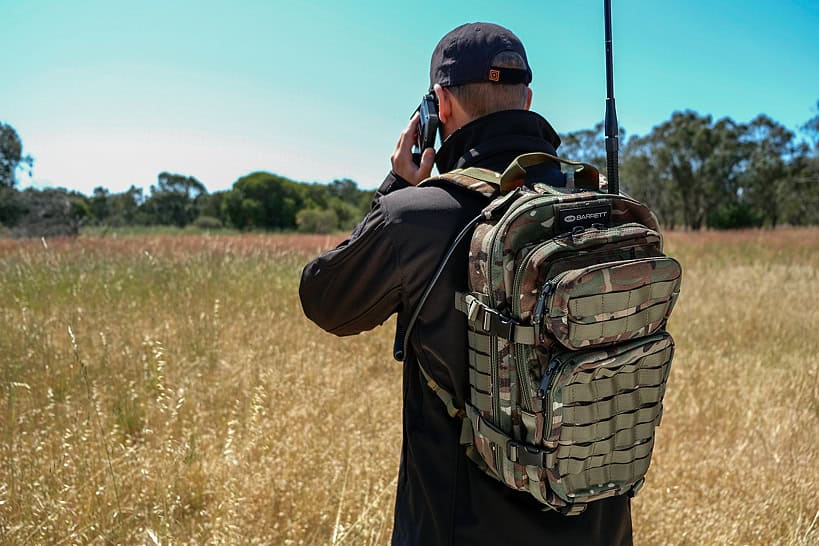
Cognitive Radio: Smart Solutions for Spectrum Congestion
The surge in demand for wireless communication has led to significant spectrum congestion. Cognitive radio technology offers a smart solution to this problem by intelligently identifying and switching to available channels, enhancing spectrum efficiency and mitigating congestion.
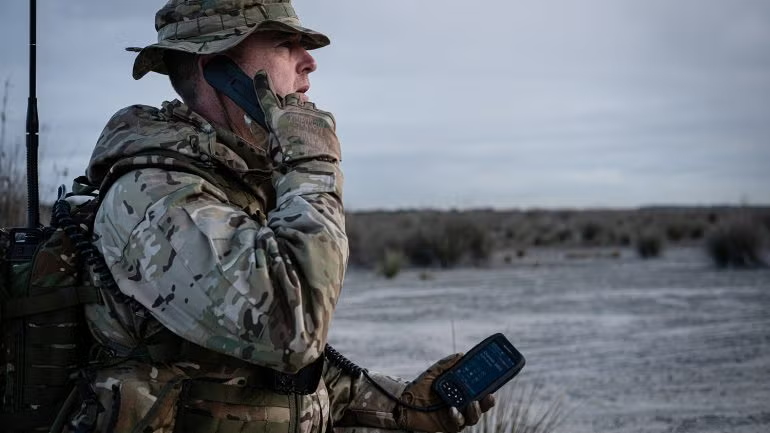
Eliminating empty zones: Why HF radio remains critical in remote desert areas
Securing reliable communications across vast desert areas that lack the necessary infrastructure can be complicated. In these so-called ‘empty zones’, which can extend for thousands of kilometres, alternative comms systems must be put in place to ensure vital personnel can remain in contact.
Advanced HF Radio Propagation Techniques: Mastering Long-Distance Communications
High-frequency (HF) radio wave propagation is crucial for long-distance communication.