

PACE comms strategy: Why HF radio is vital for emergency response
PACE comms strategy: Why HF radio is vital for emergency response
Choosing the right Primary, Alternate, Contingency, and Emergency (PACE) comms strategy is critical for improving the response to critical incidents.
Reliable communications systems are essential for emergency response to share critical information with the personnel who need it the most. However, in developing and unpredictable situations, communications infrastructure can become unreliable or even fail.
To prepare for these scenarios, developing a Primary, Alternate, Contingency, and Emergency (PACE) communications plan is a top priority. Such a plan ensures that the operability and continuity of emergency communications can be maintained in any operating conditions, helping protect communities and personnel.

Understanding a PACE strategy for emergencies
A PACE plan identifies four different methods of communication to be used in order of preference in an emergency situation:
- Primary: the intended, day-to-day method of communication
- Alternate: a common backup to the Primary method of communication
- Contingency: a communication method that might not be the fastest or most convenient, but can be used to send messages when Primary and Alternate methods fail
- Emergency: a last resort if all other communications networks cannot be used
All four methods of communication must be completely separate from each other to prevent the failure of one impacting the function of any other. Different PACE plans need to be drawn up for specific missions or tasks, considering whether information is being shared within the organisation or with parties outside of it.
The US’s National Communications Emergency Plan (NECP) is one notable example of PACE plan deployment. Institutions such as the Federal Emergency Management Agency (FEMA) and Cybersecurity and Infrastructure Security Agency (CISA) also utilise and encourage PACE planning for inter-agency communication during disasters. Similar organisations must take similar steps to ensure reliable communications in emergency scenarios, whether that be natural disasters, terrorist attacks, systems failures or other denied environment scenarios.
The importance of HF radio for reliable comms
Land Mobile Radio (LMR) is often used as the ‘Primary’, most-preferred method of communication in an emergency response plan. LTE could also be a ‘Primary’ option. However, in the wake of a natural disaster, for example, cellular infrastructure can be damaged or destroyed. Land Mobile Radio (LMR) and/or satellite networks are usually selected as the ‘Alternate’ comms method anticipating such a scenario.
However, in an emergency, satellite infrastructure on the ground and in space can become vulnerable and unreliable. With the likelihood of satellite dogfighting and interference increasing, organisations should be wary of relying on satellites provided by other countries in an unstable geopolitical environment.
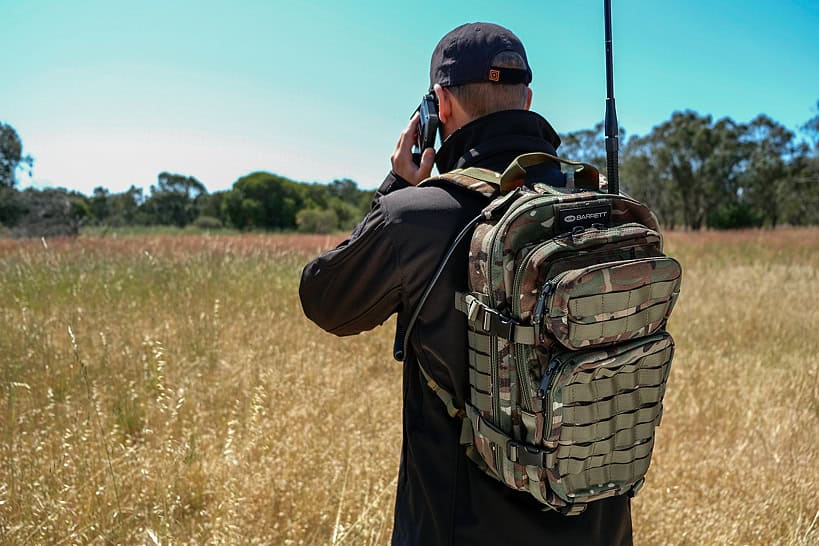
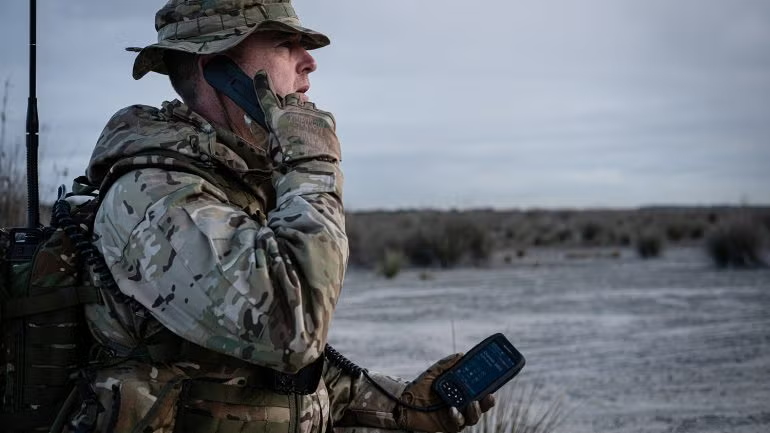
As a ‘Contingency’ and ‘Emergency’ method of communication, high-frequency (HF) radio emerges as a secure, reliable choice that should be included in PACE plans. Propagated by radio waves passing through the ionosphere, the HF radio network cannot be jammed or destroyed, making it a reliable option when choosing backup comms. Additionally, advances in automatic link establishment (ALE) make it simple and easy for users with little radio training to communicate across the HF network.
A further advantage of HF over cellular and satellite networks is that HF radio provides full communications coverage even in remote regions and over vast distances: regular testing conducted by an emergency comms organization in New York State in the US found that HF gave almost 100% coverage even in the mountainous High Peaks area. In a PACE scenario, these benefits of the HF radio network mean emergency services can communicate even with isolated communities when cellular and satellite networks fail. As a result, HF has been incorporated into the PACE plans of many leading organisations worldwide.
Motorola Solutions and Barrett (a Motorola Solutions company) offer LTE, LMR, and HF radio products crucial for a successful PACE plan. While emergency PACE communication methods should remain independent, component interoperability provides significant benefits during non-emergency situations. Motorola Solutions facilitates this interoperability through products like WAVE PTX, WAVE Tactical, and SMARTCONNECT.
A leading provider of HF radio
A leading provider of HF radio equipment is Barrett Communications, an expert in the field for nearly 50 years. Barrett HF and VHF radios are currently used in more than 150 countries and can form an essential part of a PACE plan for public and private organisations. Specialising in tactical, humanitarian, and critical communications, Barrett has earned an international reputation for reliable, cost-effective solutions that can operate wherever customers are located.
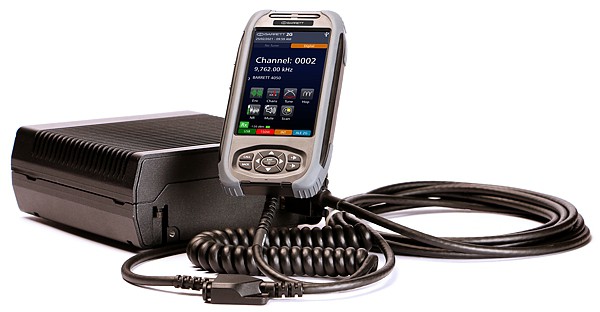
For successful HF radio communications, users require transceivers, antennae, and an independent power source. Barrett can provide high-performance components to support establishing the HF infrastructure required for a PACE plan. Among its high-performance equipment is the 4050 HF software-defined radio (SDR) transceiver, which can be optioned with fully automatic HF radio link establishment protocols (ALE) and complete iOS, Android, and MS interfacing for remote control of the radios, meaning radios can be operated from anywhere through the Internet. These capabilities enable users to operate the radio from their PC, tablet, or smart device.
Barrett’s range of heavy-duty antennae, including products with automatic tuning and rapid deployment capabilities, and high-power transmitters are among the other products in their portfolio that can be incorporated into a complete PACE comms strategy. The company’s extensive expertise in HF radio for emergency scenarios makes it an highly regarded partner for organisations seeking to develop or expand PACE plans.

Beyond the blackout: are power distributors underestimating the effectiveness of their backup communications?
When the power goes out, communication becomes everything.

Building a radio network for community-based environmental alerts
Learn how to build an HF radio network for community alerts. Explore emergency frequencies, training, and protocols to enhance disaster resilience
Cognitive Radio: Smart Solutions for Spectrum Congestion
The surge in demand for wireless communication has led to significant spectrum congestion. Cognitive radio technology offers a smart solution to this problem by intelligently identifying and switching to available channels, enhancing spectrum efficiency and mitigating congestion.
Eliminating empty zones: Why HF radio remains critical in remote desert areas
Securing reliable communications across vast desert areas that lack the necessary infrastructure can be complicated. In these so-called ‘empty zones’, which can extend for thousands of kilometres, alternative comms systems must be put in place to ensure vital personnel can remain in contact.
Advanced HF Radio Propagation Techniques: Mastering Long-Distance Communications
High-frequency (HF) radio wave propagation is crucial for long-distance communication.
How HF radios aid in coastal surveillance and security
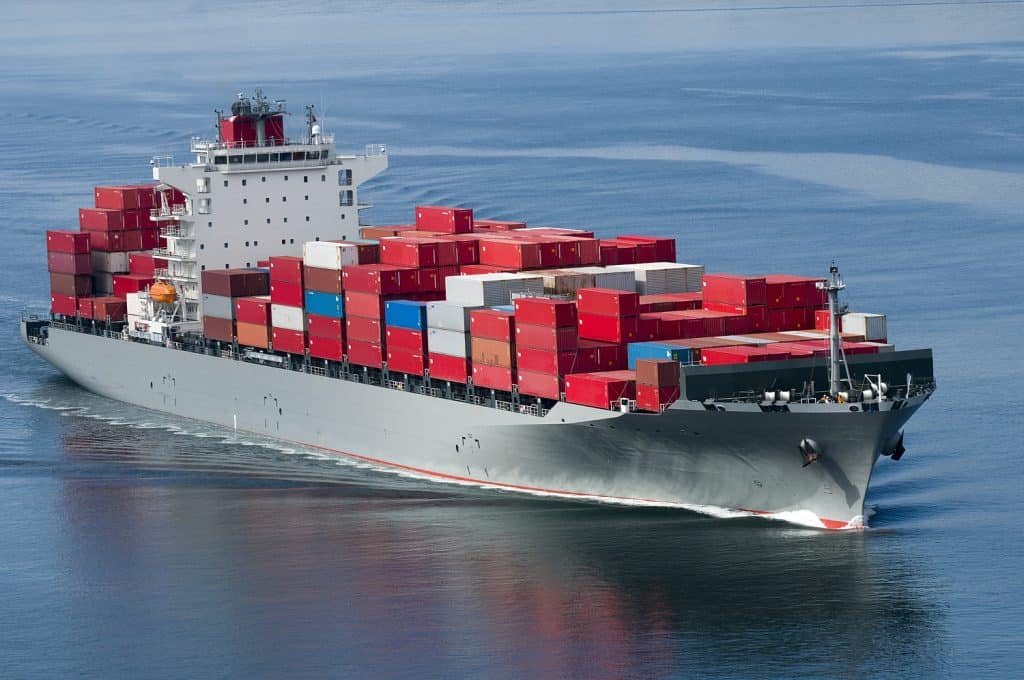
Effective coastal surveillance and security are critical for ensuring marine operations and saving lives at sea.