
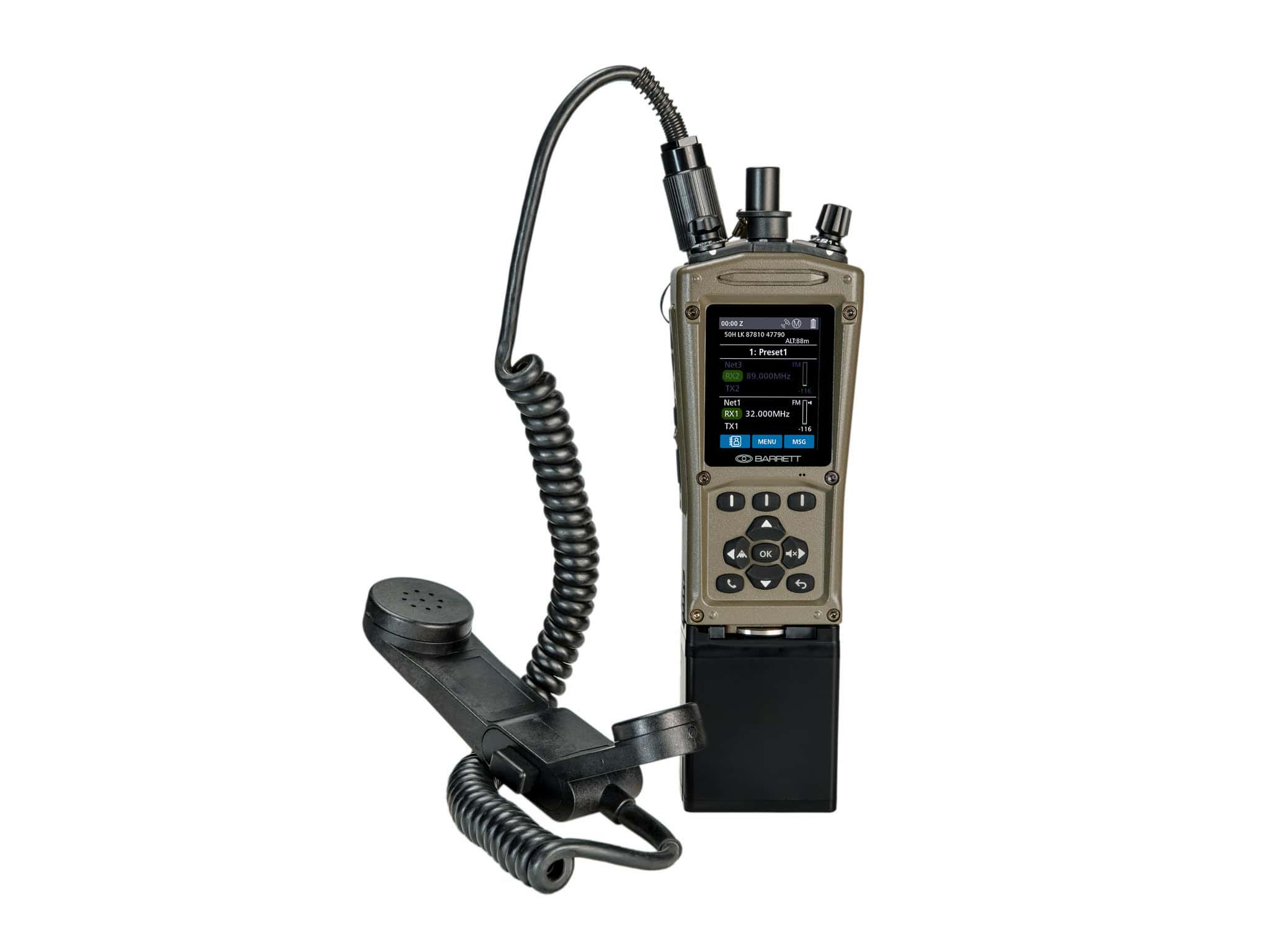
Low-band VHF vs VHF: What’s the difference?
Low-band VHF vs VHF: What’s the difference?
In this article, we’ll cover frequencies and differences, including the pros and cons of each, as well as use cases.
Radio frequencies enable communication across various devices, from emergency services radios to broadcast television. Different frequency bands have distinct characteristics that can significantly affect their performance in different environments. We’ll focus on Low-band Very High Frequency (Low-band VHF) and Very High Frequency (VHF), and explore their differences, applications, and how these impact their use in communication systems.
Understanding radio frequencies
Generally VHF encompasses radio wave frequencies ranging from 30 to 300 MHz. Low-band VHF is a subset of this range, typically covering 30 to 75 MHz. A radio wave’s frequency affects its wavelength, as higher frequencies have shorter wavelengths. This influences how radio waves propagate and penetrate various materials.
Comparing Low-band VHF and VHF
Low-band VHF, spanning from 30 to 75 MHz, tends to have longer wavelengths, which allows these waves to travel over greater distances and bend around obstacles more effectively than higher frequencies.
Standard VHF, on the other hand, ranges from 75 MHz to 300 MHz. While it still benefits from the ability to bend around obstacles, its relatively shorter wavelengths make it less effective than Low-band VHF in terms of distance and hilly terrain.
Pros and cons of low-band VHF:
Pros: It is better at covering long distances and navigating around or over obstacles, which makes it suitable for rural or challenging terrains.
Cons: It requires larger antennas and is more prone to noise and interference due to its longer wavelengths.
Pros and cons of VHF:
Pros: It allows for smaller antenna sizes, making equipment less cumbersome and less susceptible to interference from electrical noise.
Cons: More dependent on line-of-sight for clear transmission; struggles with penetrating dense materials compared to Low-band VHF and can not cover the same distances.
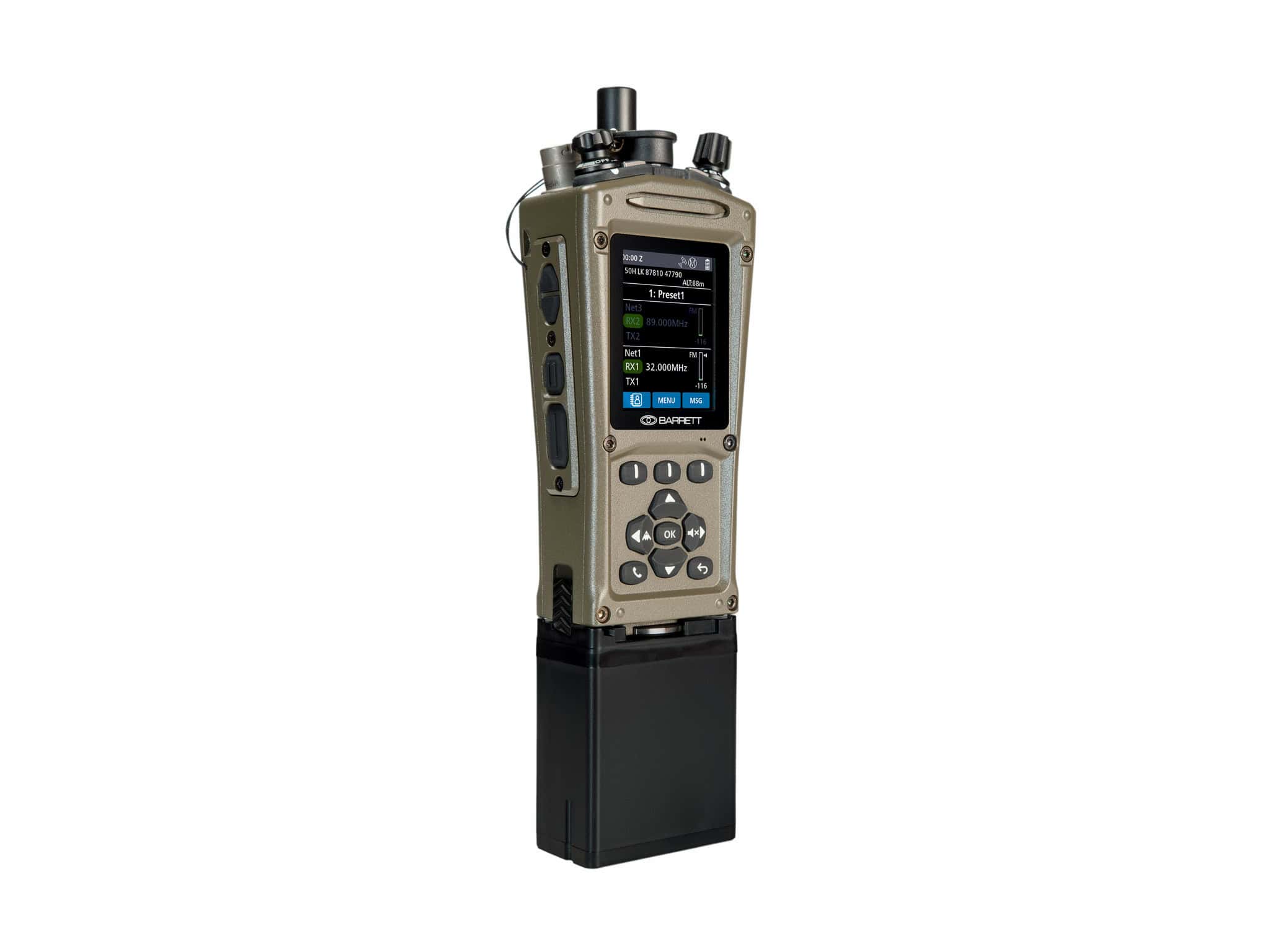
Choosing the right frequency for your needs
When deciding between Low-band VHF and VHF frequencies, consider the environment and the specific needs of your communication system:
Low-band VHF is best for rural areas where long-range communication is vital and large antennas are feasible. It’s ideal for:
- Agricultural operations in vast fields.
- Remote forestry and park management.
- Long-distance marine communication along coastlines.
Due to space constraints, VHF suits urban or suburban settings where smaller antennas are necessary.
It’s effective for:
- Urban emergency services that require clear, reliable signals.
- Outdoors event management in city centres.
- City-based taxi and delivery services that need dependable short-range communication.
To optimise communication performance, selecting the frequency range that best matches your environmental needs and specific use cases is crucial. For instance, marine communications often favour VHF due to its effective range and smaller antenna size, which are well-suited for the limited space on ships.
Understanding the unique properties and advantages of low-band VHF and VHF is essential in making an informed decision and ensuring your communication system is tailored to meet both specific operational requirements and environmental conditions.
Contact us for expert assistance in finding the right solution for your needs.

Beyond the blackout: are power distributors underestimating the effectiveness of their backup communications?
When the power goes out, communication becomes everything.

Building a radio network for community-based environmental alerts
Learn how to build an HF radio network for community alerts. Explore emergency frequencies, training, and protocols to enhance disaster resilience

PACE comms strategy: Why HF radio is vital for emergency response
Choosing the right Primary, Alternate, Contingency, and Emergency (PACE) comms strategy is critical for improving the response to critical incidents.
Cognitive Radio: Smart Solutions for Spectrum Congestion
The surge in demand for wireless communication has led to significant spectrum congestion. Cognitive radio technology offers a smart solution to this problem by intelligently identifying and switching to available channels, enhancing spectrum efficiency and mitigating congestion.

Eliminating empty zones: Why HF radio remains critical in remote desert areas
Securing reliable communications across vast desert areas that lack the necessary infrastructure can be complicated. In these so-called ‘empty zones’, which can extend for thousands of kilometres, alternative comms systems must be put in place to ensure vital personnel can remain in contact.
Advanced HF Radio Propagation Techniques: Mastering Long-Distance Communications
High-frequency (HF) radio wave propagation is crucial for long-distance communication.