

The magic of Morse Code: A retrospective look at the pioneer of radio communication
The magic of Morse Code: A retrospective look at the pioneer of radio communication
Explore the lasting impact of Morse code, from its 19th-century origins to modern uses. Learn how its ingenious design revolutionized communication.
Picture a time when the scope of long-distance communication was confined to sending letters or even basic signals like drums and smoke. Then came Morse code, outgrowing these limitations and setting the stage for modern radio systems and a host of other technologies.
The birth of Morse code
In 1832, Samuel F.B. Morse introduced the electric telegraph, an invention that significantly changed the way people communicated. The inaugural long-distance message travelled from Washington, D.C., to Baltimore in 1844. This was a watershed moment; complex thoughts could now traverse great distances in the blink of an eye.
The first message sent was “What hath God wrought,” a biblical phrase that aptly captured the awe and wonder of the time. Morse’s invention received funding from Congress, a sum of $30,000, to construct a telegraph line between Washington, D.C., and Baltimore, making it a publicly endorsed venture.
The ingenious design
Morse’s ingenuity extended beyond the telegraph to the architecture of the code itself. He meticulously designed the code based on the frequency of each letter in the English language. The outcome was a system of remarkable efficiency, where commonly used letters were represented by simpler symbols, making the code not just functional but remarkably effective. For example:
- “E,” the most frequent letter, is a single dot.
- “T,” another frequent letter, is a single dash.
- “Z,” a less frequent letter, has a more complex symbol: dash dash dot dot.
This design allowed for rapid transmission of messages, revolutionising the speed and the very economics of communication.

Morse code meets radio
As the 19th century drew to a close, Guglielmo Marconi introduced the wireless telegraph, liberating Morse code from the constraints of wired connections. The maritime industry was among the first to embrace this airborne form of communication.
By 1910, U.S. legislation required many passenger ships to carry wireless sets, cementing Morse code’s role in maritime safety. And, after the sinking of the Titanic in 1912, an international agreement mandated ships to monitor for Morse code distress signals, further solidifying its importance.
The versatility of Morse code
The adaptability of Morse code is astonishing. It is able to perform as both a visual and audio-based medium and has guided aviators, inspired amateur radio operators and even assisted individuals with limited motor skills to communicate via smartphone apps. Beyond its utilitarian aspects, the code possesses a rhythmic, musical fluidity that many find calming or even meditative. It has even been hidden in a pop song in order to communicate with hostages in Colombia in the early 2010s.
In a nutshell, Morse code’s impact on our communication systems is both profound and enduring. Its clever design and remarkable adaptability have secured its relevance in an era of advanced technologies. Far from being a relic, Morse code is a vibrant language that continues to evolve and find new applications, from assistive technologies to military training and emergency situations.
Barrett Communications is your go-to resource for those intrigued by the world of radio communication. Reach out to our team for your two-way radio communication needs.

Beyond the blackout: are power distributors underestimating the effectiveness of their backup communications?
When the power goes out, communication becomes everything.

Building a radio network for community-based environmental alerts
Learn how to build an HF radio network for community alerts. Explore emergency frequencies, training, and protocols to enhance disaster resilience

PACE comms strategy: Why HF radio is vital for emergency response
Choosing the right Primary, Alternate, Contingency, and Emergency (PACE) comms strategy is critical for improving the response to critical incidents.
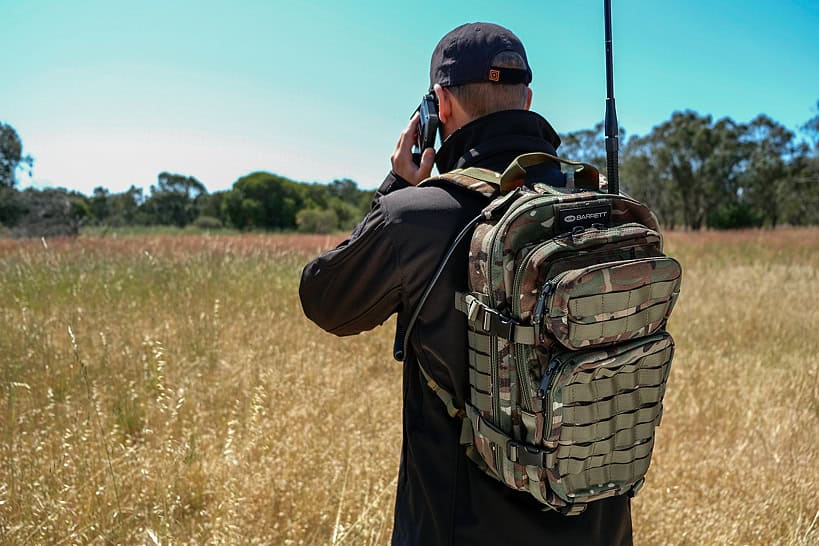
Cognitive Radio: Smart Solutions for Spectrum Congestion
The surge in demand for wireless communication has led to significant spectrum congestion. Cognitive radio technology offers a smart solution to this problem by intelligently identifying and switching to available channels, enhancing spectrum efficiency and mitigating congestion.
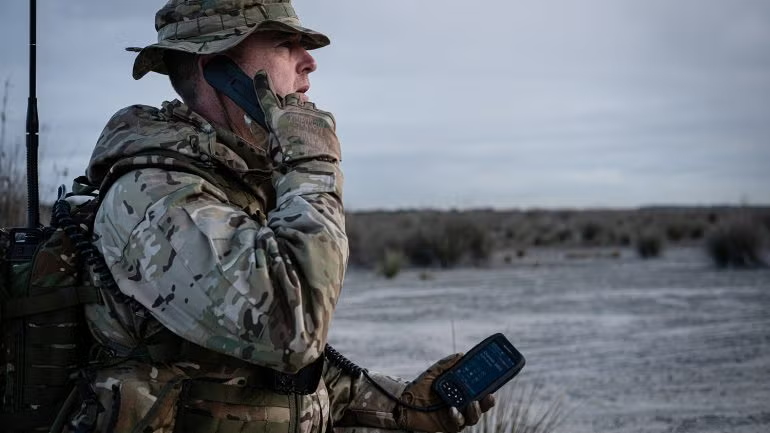
Eliminating empty zones: Why HF radio remains critical in remote desert areas
Securing reliable communications across vast desert areas that lack the necessary infrastructure can be complicated. In these so-called ‘empty zones’, which can extend for thousands of kilometres, alternative comms systems must be put in place to ensure vital personnel can remain in contact.
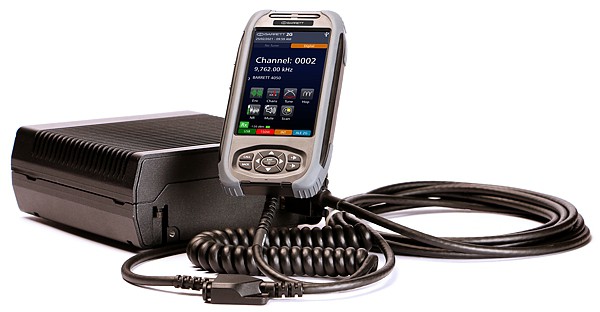
Advanced HF Radio Propagation Techniques: Mastering Long-Distance Communications
High-frequency (HF) radio wave propagation is crucial for long-distance communication.

Pingback: 38 Astonishing Ways People Survived Without Modern Technology - Back in Time Today