
The evolution of HF radio encryption technologies
The evolution of HF radio encryption technologies
Discover the advancements in HF radio encryption technologies that have improved security and privacy in communications, from early methods to modern, sophisticated encryption techniques.
For decades, High Frequency (HF) radio has been the go-to for long-range communication when satellites or the internet fail. In critical sectors like the military and emergency services, secure HF radio is a non-negotiable requirement. To meet the growing demand for privacy, encryption technologies have evolved, ensuring these vital messages remain shielded from prying eyes.

Early encryption methods in HF Radio
In the early days of HF radio, encryption methods were relatively rudimentary, relying on simple codes and ciphers. These methods involved basic techniques like substitution ciphers, where each letter of the message was replaced by another letter according to a specific system. While these early encryption methods provided some level of security, they were far from foolproof. The simplicity of these codes made them vulnerable to interception and decryption by adversaries, posing significant risks in sensitive communications.
The primary challenge with early encryption methods was their inability to adapt to the increasing sophistication of interception techniques. As adversaries developed more advanced methods for decoding messages, it became clear that more robust encryption solutions were necessary to ensure the security and privacy of HF radio communications.
Modern encryption technologies
The shift from basic encryption to more advanced technologies was a game-changer for HF radio security. The introduction of encryption standards like the Data Encryption Standard (DES 56) and later the Advanced Encryption Standard (AES 256) combined with digital voice technology drastically improved message protection by using complex algorithms. AES 256 is considered to be impossible for unauthorised parties to decode without the correct 256 bit encryption key.
Today’s modern encryption methods include:
- Data encryption Standard: An older but foundational encryption standard.
- Advanced Encryption Standard: A widely-used, highly secure encryption method.
- Frequency hopping: Rapidly and randomly switching of transmit and receive frequencies to prevent interception and avoid jamming.
These techniques have made HF radio communications much more reliable and secure, especially for critical uses.
How encryption technologies have strengthened HF Radio
From basic ciphers in the early days to the advanced methods we use today, these technologies have been key in protecting sensitive information, especially in military operations where secure communication is critical. Modern encryption techniques — like complex algorithms, encryption keys and frequency hopping — have helped keep communication channels secure even in tough environments. This has been especially important for military, emergency services and remote networks that must keep sensitive data safe.
Looking ahead, ongoing advancements in encryption will continue to make HF radio a reliable and secure option for long-range communication.
If you’re interested in learning more about HF radio encryption or need help with secure communication solutions, contact us today.

Beyond the blackout: are power distributors underestimating the effectiveness of their backup communications?
When the power goes out, communication becomes everything.

Building a radio network for community-based environmental alerts
Learn how to build an HF radio network for community alerts. Explore emergency frequencies, training, and protocols to enhance disaster resilience

PACE comms strategy: Why HF radio is vital for emergency response
Choosing the right Primary, Alternate, Contingency, and Emergency (PACE) comms strategy is critical for improving the response to critical incidents.
Cognitive Radio: Smart Solutions for Spectrum Congestion
The surge in demand for wireless communication has led to significant spectrum congestion. Cognitive radio technology offers a smart solution to this problem by intelligently identifying and switching to available channels, enhancing spectrum efficiency and mitigating congestion.
Eliminating empty zones: Why HF radio remains critical in remote desert areas
Securing reliable communications across vast desert areas that lack the necessary infrastructure can be complicated. In these so-called ‘empty zones’, which can extend for thousands of kilometres, alternative comms systems must be put in place to ensure vital personnel can remain in contact.
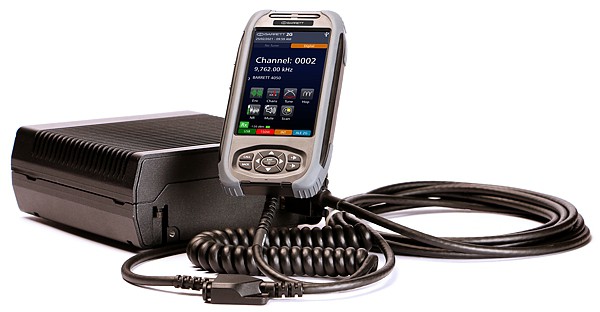
Advanced HF Radio Propagation Techniques: Mastering Long-Distance Communications
High-frequency (HF) radio wave propagation is crucial for long-distance communication.