
Barrett FirstLink RFDS
Barrett supports Fremantle to Albany yacht race.
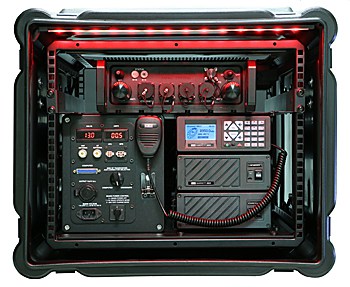
Perth, Western Australia, March 12, 2015 – Barrett Communications in partnership with STAR Solutions and NVIS Communications of California(Barrett’s Systems Integrator in North America) will launch the Barrett FirstLink Rapid Field Deployment System (RFDS) at IWCE in Las Vegas from 16th to 20th March.
The Barrett FirstLink RFDS is a complete solution for extending FirstNet’s* Band 14 LTE footprint from any location over short, medium and long haul distances back to core. Providing responders “reach back” and “reach forward” over High Frequency (HF) radio. HF radio extends the FirstLink RFDS’s reach to up to hundreds of miles away without additional infrastructure and is free to air. STAR Solutions identified that there will be a period of time before the FirstNet network provides the blanket coverage throughout the USA that it is tasked with providing. Mr Jack Mar, CEO of Star Solutions commented “The amount of towers that it will take to create this blanket coverage is a daunting task and in addition to the technical complexity, the cost and hardening of these sites is astronomical by any standard.”
In response to this, STAR Solutions developed the IMPAC system which provides rapid deployment of a combined Band 14 LTE voice and data system. From there, Barrett Communications through NVIS Communications have partnered with STAR Solutions to develop the FirstLink RFDS which provides an immediate blanket Band 14 LTE footprint with “reach forward” and “reach back” capability via HF to either another RFDS or to HF bases many miles away. Mr John Rosica, President of NVIS Communications explained “HF radio in the US has predominantly been used by government and public safety for critical communications. They typically operate as a fallback system or for remote coverage.” The FirstLink RFDS ensures first responders have secure reliable communications wherever they need to deploy within America. Mr Rosica went on to say “the FirstLink RFDS servers as a common operating platform for federal, state and local government support agencies, where normal communications infrastructure is unavailable”.
The FirstLink RFDS is controlled via an app on the Band 14 or FirstNet handset. All the complexities of linking and protocol conversion of SMS text to HF/AMD text and the crossover of voice to other digital voice or encryption are automatically managed by the RFDS. Mr Andrew Burt, General Manager of Barrett Communications Europe commented “We see from our conversations with current and prospective customers that there is a real need for this system in the field. The fact that it is highly portable, automatically self managed and on air in minutes as something unique in the market. We look forward to showcasing the Barrett FirstNet RFDS at IWCE next week.”
To find out more information about the FirstLink RFDS visit the Barrett Communications and NVIS Communications stand 2235 at IWCE.
*Brand names, logos and trademarks used herein remain the property of their respective owners. This listing of any firm or their logos is not intended to imply any endorsement or direct affiliation with FirstNet/DHS/OEC.

Beyond the blackout: are power distributors underestimating the effectiveness of their backup communications?
When the power goes out, communication becomes everything.

Building a radio network for community-based environmental alerts
Learn how to build an HF radio network for community alerts. Explore emergency frequencies, training, and protocols to enhance disaster resilience

PACE comms strategy: Why HF radio is vital for emergency response
Choosing the right Primary, Alternate, Contingency, and Emergency (PACE) comms strategy is critical for improving the response to critical incidents.
Cognitive Radio: Smart Solutions for Spectrum Congestion
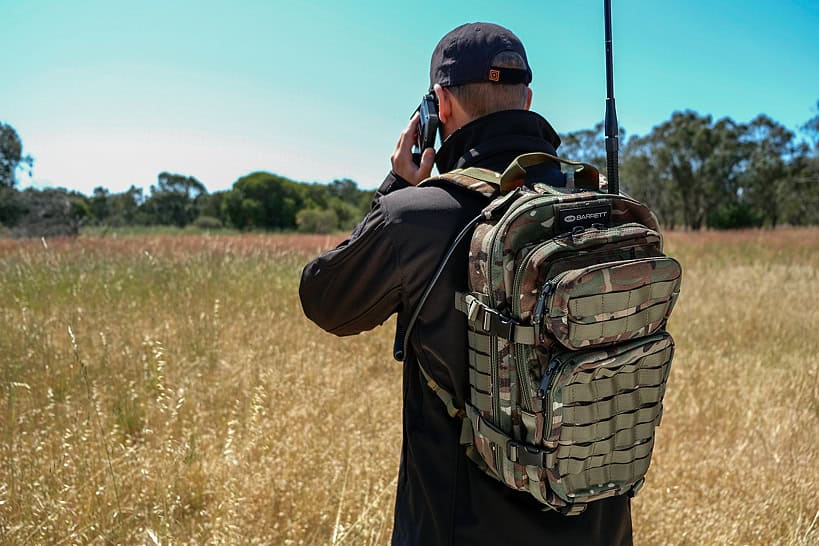
The surge in demand for wireless communication has led to significant spectrum congestion. Cognitive radio technology offers a smart solution to this problem by intelligently identifying and switching to available channels, enhancing spectrum efficiency and mitigating congestion.
Eliminating empty zones: Why HF radio remains critical in remote desert areas
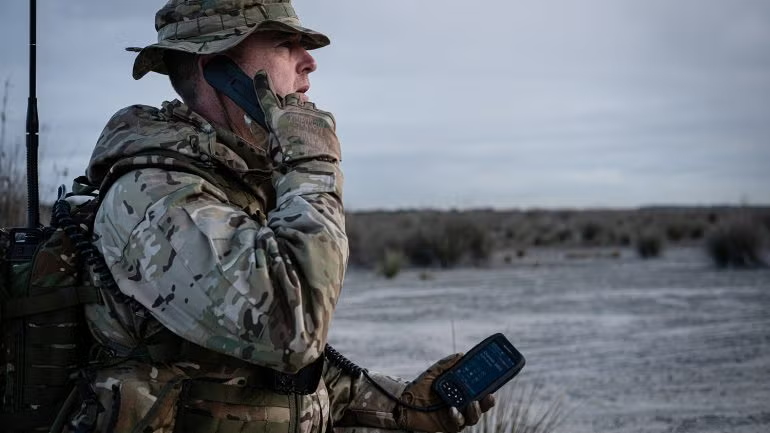
Securing reliable communications across vast desert areas that lack the necessary infrastructure can be complicated. In these so-called ‘empty zones’, which can extend for thousands of kilometres, alternative comms systems must be put in place to ensure vital personnel can remain in contact.
Advanced HF Radio Propagation Techniques: Mastering Long-Distance Communications
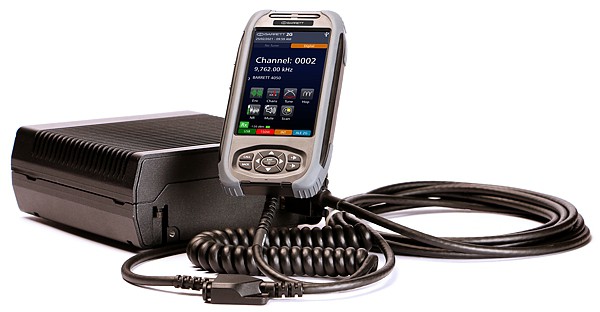
High-frequency (HF) radio wave propagation is crucial for long-distance communication.
How HF radios aid in coastal surveillance and security
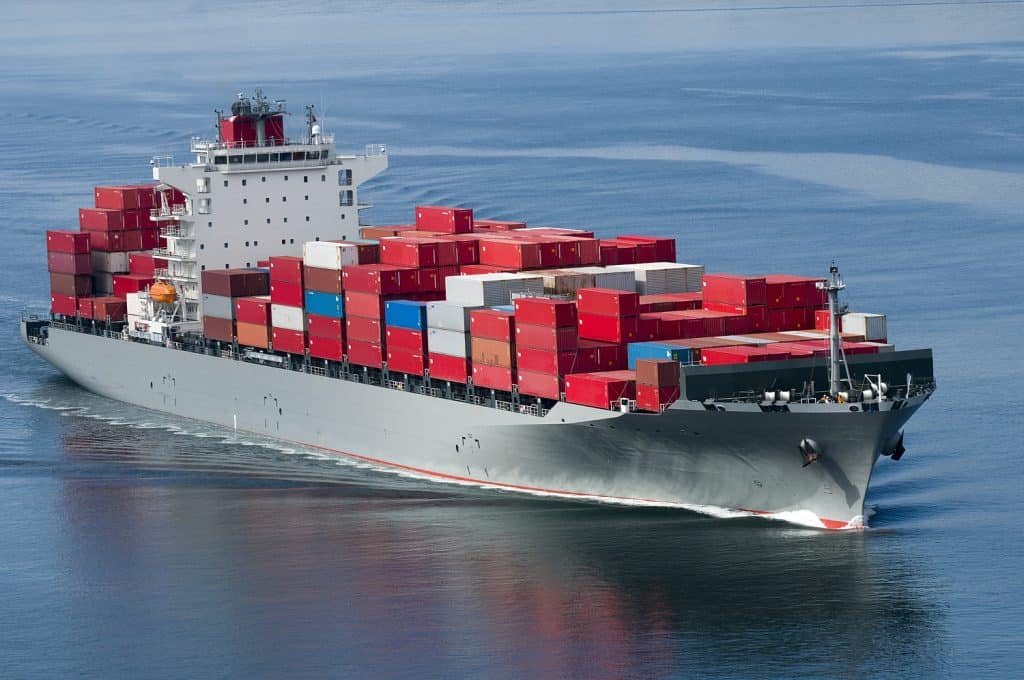
Effective coastal surveillance and security are critical for ensuring marine operations and saving lives at sea.

Why naval vessels would be all at sea without HF radio
To protect its citizens, regional defence forces must be well-equipped and well-maintained. When coordinating military operations, evacuations, and relief efforts, communications systems are crucial.
Why tactical radios matter in multi-domain operations
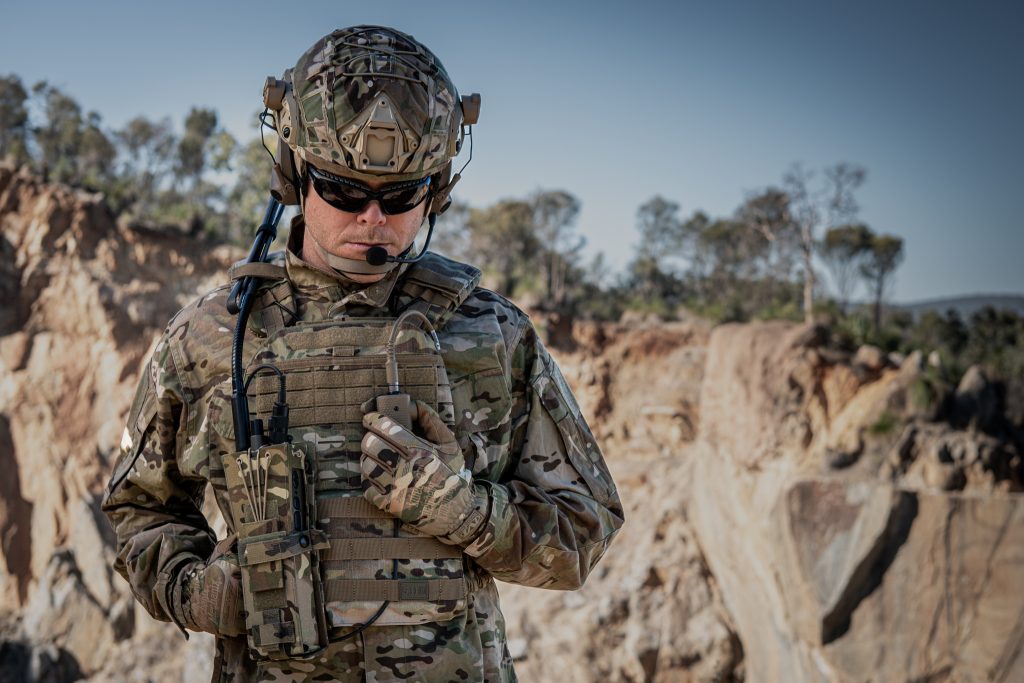
Discover how HF and VHF tactical radios keep land, sea, air, and cyber forces connected and resilient in multi-domain operations.

How HF radios enable environmental research in extreme locations
HF radios provide reliable communication for researchers in remote areas like Antarctica, deserts, and rain-forests where other networks do not have coverage or can fail.

Empowering conservation volunteers with HF radios in remote areas
HF radios keep conservation volunteers safe & connected in remote areas, enabling coordination, reporting and emergency response where cell coverage fails.
The importance of frequency management in HF radio communication
Explore how frequency management in HF radio boosts communication reliability, reduces interference and enhances long-distance performance.