
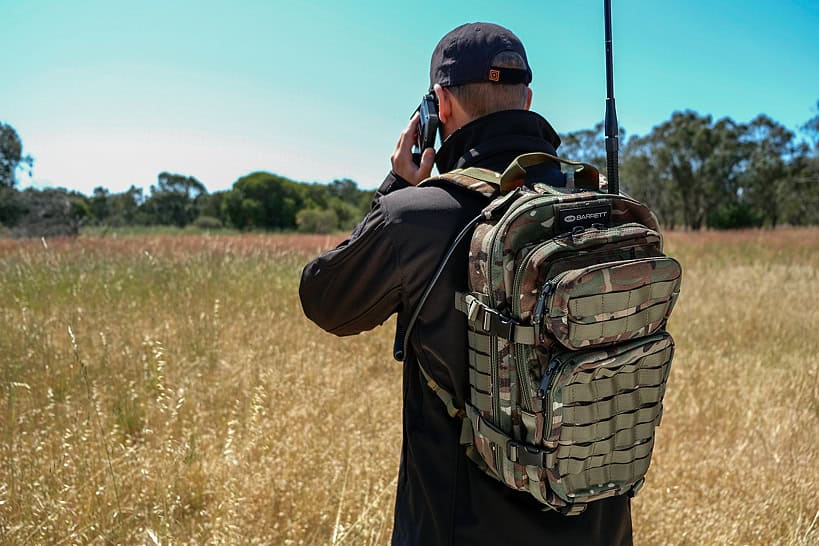
Cognitive Radio: Smart Solutions for Spectrum Congestion
Cognitive Radio: Smart Solutions for Spectrum Congestion
Explore how cognitive radio technology smartly addresses spectrum congestion, enhancing efficiency and reliability in wireless communications.
The surge in demand for wireless communication has led to significant spectrum congestion. Cognitive radio technology offers a smart solution to this problem by intelligently identifying and switching to available channels, enhancing spectrum efficiency and mitigating congestion.
Cognitive radio technology explained
Cognitive radio is a smart technology that can sense its surroundings and adjust its settings on the fly. These radios are aware of their environment and can make quick decisions based on what they detect. This means they can find and use free frequency bands, using the available spectrum best.
Cognitive radios can avoid interfering with primary users by constantly checking the radio frequency environment. They can also learn from past experiences, which helps them improve their spectrum management over time, which makes them a great fit for today’s fast-changing communication needs.
The role of cognitive radio in spectrum efficiency
Cognitive radios shine because they can dynamically access underutilised frequency bands, optimising spectrum use. This dynamic spectrum access allows these radios to maximise available frequencies efficiently. In busy urban settings and during emergency responses, cognitive radios can significantly reduce congestion by automatically finding and using free channels.
This capability ensures that critical communications get through even a crowded spectrum. By dynamically adjusting to real-time conditions, cognitive radios enhance wireless communications’ overall efficiency and reliability.
Implementing cognitive radio requires some key technological components:
- Software-defined radios (SDRs) provide the flexibility needed to adapt to different frequencies and protocols.
- Advanced algorithms enable the radio to analyse and respond to its environment effectively.
- Automatic link establishment (ALE) ensures that communication links are established automatically and reliably, enhancing cognitive radios’ overall efficiency and reliability.

Challenges and solutions
While promising, implementing cognitive radio comes with challenges:
- Accurate spectrum sensing: Identifying available channels without causing interference to primary users is crucial.
- Interference management: Effective strategies are needed to handle interference between different users.
- Regulatory compliance: Following various regulatory requirements is necessary for smooth operation.
- High implementation costs: Setting up and deploying cognitive radio systems can be expensive due to the need for advanced hardware and software.
- Energy consumption: Cognitive radios can use more power because they constantly sense and adapt, which can be a problem for battery-operated devices.
However, artificial intelligence and machine learning advances can help solve these issues. These technologies can improve spectrum sensing accuracy and enable cognitive radios to make real-time decisions more effectively.
Additionally, robust security protocols are essential to protect against unauthorised access and ensure safe operations. Moreover, new cost-effective methods and efficient power management strategies are being developed to make cognitive radios more accessible and sustainable.
Future prospects of cognitive radio
The future looks bright for cognitive radio technology. Developments like 5G and the Internet of Things (IoT) integration promise to enhance cognitive radios’ capabilities even further. These advancements could make spectrum management more efficient, reducing congestion and improving communication reliability across the board. As cognitive radio technology becomes more widespread, it has the potential to revolutionise how we manage and use the wireless spectrum, benefiting a wide range of industries and applications.
If you want to learn more about how cognitive radio technology can meet your specific communication needs, reach out to Barrett Communications. Our expertise in radio communication solutions can help you navigate spectrum management and implement cutting-edge technologies to enhance your operations. Contact us today to explore the possibilities.

Beyond the blackout: are power distributors underestimating the effectiveness of their backup communications?
When the power goes out, communication becomes everything.

Building a radio network for community-based environmental alerts
Learn how to build an HF radio network for community alerts. Explore emergency frequencies, training, and protocols to enhance disaster resilience

PACE comms strategy: Why HF radio is vital for emergency response
Choosing the right Primary, Alternate, Contingency, and Emergency (PACE) comms strategy is critical for improving the response to critical incidents.
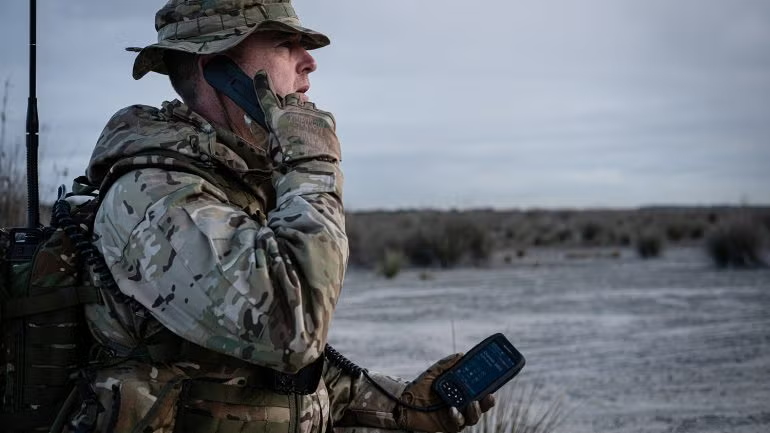
Eliminating empty zones: Why HF radio remains critical in remote desert areas
Securing reliable communications across vast desert areas that lack the necessary infrastructure can be complicated. In these so-called ‘empty zones’, which can extend for thousands of kilometres, alternative comms systems must be put in place to ensure vital personnel can remain in contact.
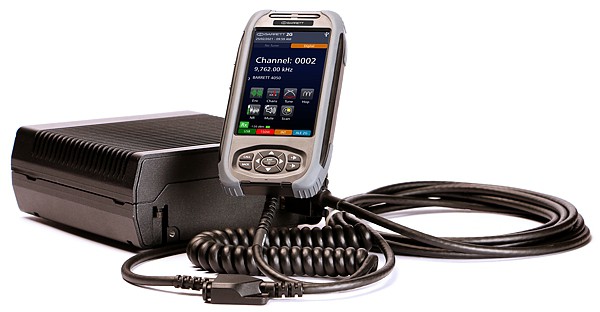
Advanced HF Radio Propagation Techniques: Mastering Long-Distance Communications
High-frequency (HF) radio wave propagation is crucial for long-distance communication.

How HF radios aid in coastal surveillance and security
Effective coastal surveillance and security are critical for ensuring marine operations and saving lives at sea.