
How can a VHF radio setup overcome the radio horizon?
How can a VHF radio setup overcome the radio horizon?
For very high frequency (VHF) radio communication, range is a crucial consideration. In tactical situations when faced with obstacles and challenges, teams must be able to improvise, adapt and overcome them. The last thing they should have to worry about at those times is a lapse in communication. This is where a technically proven system solution, designed to overcome over-the-horizon communications, plays a crucial role.
VHF radio communication relies upon line-of-sight propagation, which limits performance – especially in hilly terrain. The PRC-2080+ tactical VHF transceivers from Barrett Communications incorporate features and options designed to extend contact range beyond line-of-sight constraints.
Here is how a tactical VHF radio network using Barrett Communications VHF transceivers would operate beyond a line-of-sight operational theatre.
Within a patrol
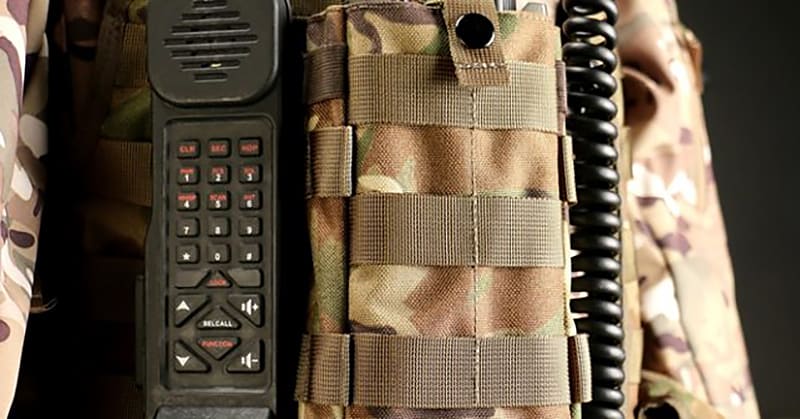
Soldiers in a group need the ability to communicate with one another over short distances, a capability delivered by the PRC-2080+ 5W VHF tactical handheld transceiver. This handheld VHF radio uses a short antenna to enable person-to-person communication. This configuration is limited to line-of-sight operation and the reasonable propagation distance expectation for 5-watt VHF radios with a 1-metre tape whip antenna – about 5 kilometres.
Between patrols and base stations
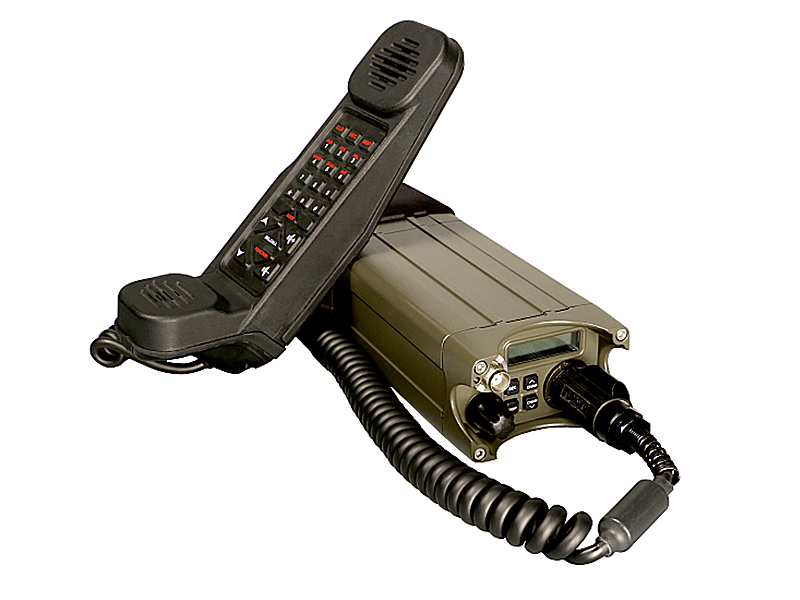
When operational requirements call for a wider communication range to sustain contact between support and command personnel, team leaders and communications specialists can use the PRC 2081+ 25W VHF tactical manpack. This radio has a longer 3-metre collapsible whip antenna, enabling superior communication capabilities with an approximate 8-kilometre range
To increase the ability to communicate with field teams, the vehicle-mounted PRC-2082+ uses a 50-watt power amplifier with various optional antennas. This works with the PRC-2084+ 50W tactical base station, which can achieve a communication range beyond 15 kilometres with base station antenna options.
Extending the range beyond line of sight
When the operational terrain is hilly or where line-of-sight communications is not possible, the Barrett Communications PRC2083+ 50W VHF tactical re-broadcast system provides an integration solution extending radio communication range.
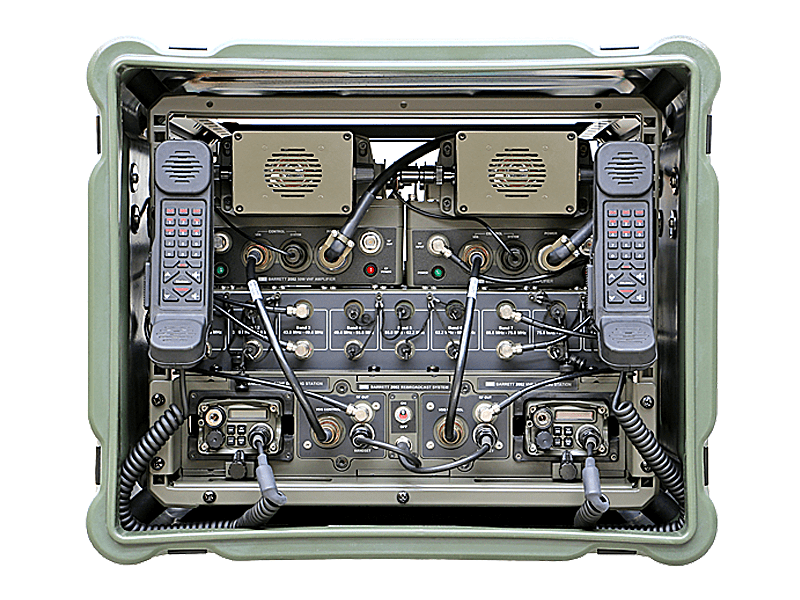
With a PRC-2083+ re-broadcast system placed at the top of an obstructing hill, teams on both sides of it within line-of-sight and propagation range of the re-broadcast system will have the ability to communicate. The PRC-2083+ can retransmit messages from teams on one side of the hill to the other, removing the restrictions incurred by the terrain.
The PRC-2080+ tactical range of VHF radios provides communication flexibility, ensuring sustained contact over various distances and obstructed terrain. This, along with its ability to withstand complete immersion, vibration, shocks and temperature extremes to MIL-STD 810G, makes it ideal for tactical applications. To learn more, get in touch with Barrett Communications today.
Eliminating empty zones: Why HF radio remains critical in remote desert areas
Securing reliable communications across vast desert areas that lack the necessary infrastructure can be complicated. In these so-called ‘empty zones’, which can extend for thousands of kilometres, alternative comms systems must be put in place to ensure vital personnel can remain in contact.

Why naval vessels would be all at sea without HF radio
To protect its citizens, regional defence forces must be well-equipped and well-maintained. When coordinating military operations, evacuations, and relief efforts, communications systems are crucial.
Why one tiny town in Australia is an HF radio powerhouse
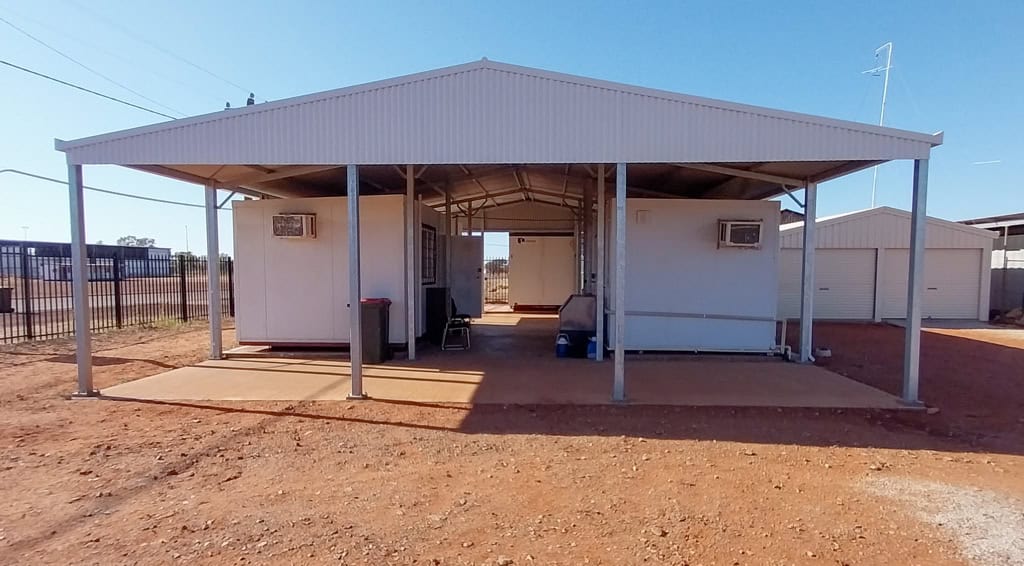
Wiluna is 1,000km from Perth and has a population in the hundreds. Despite this, it is home to test and transmission sites for internationally significant communication systems.
Caribbean nations adopt Australian emergency response tech, systems
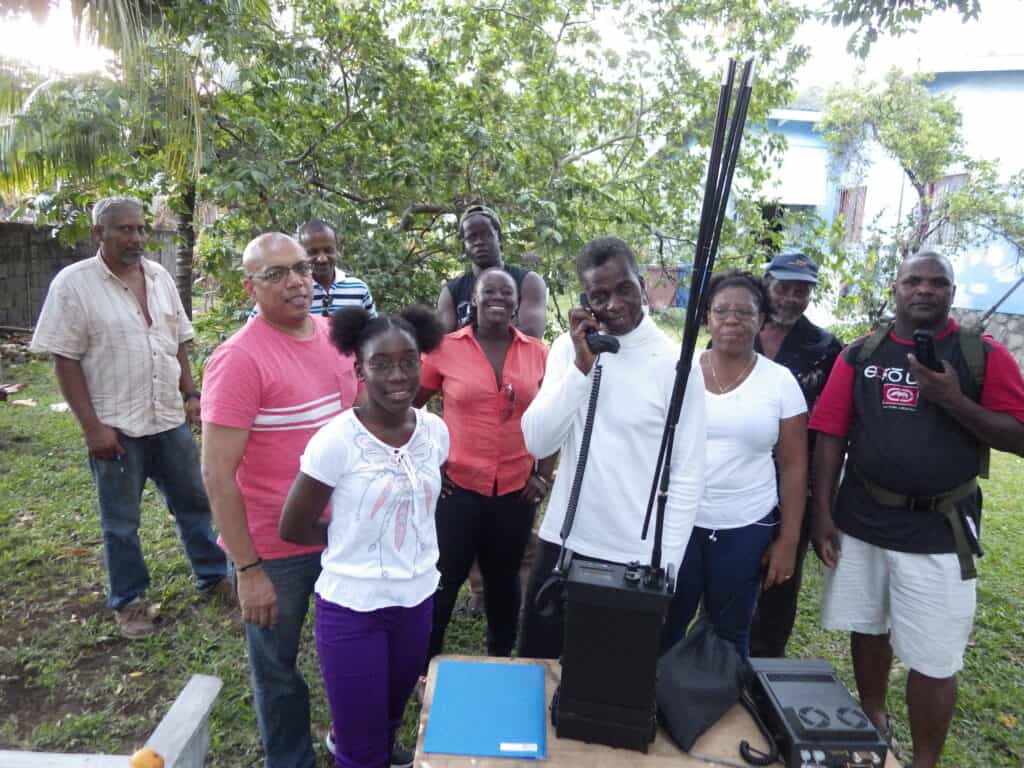
In the Caribbean, Australian-made goods are often synonymous with quality. For emergency management teams tasked with saving lives and property, quality is key and that’s why they’re choosing Barrett Communications.
How high-tech HF radios are boosting Tobago’s disaster communications networks
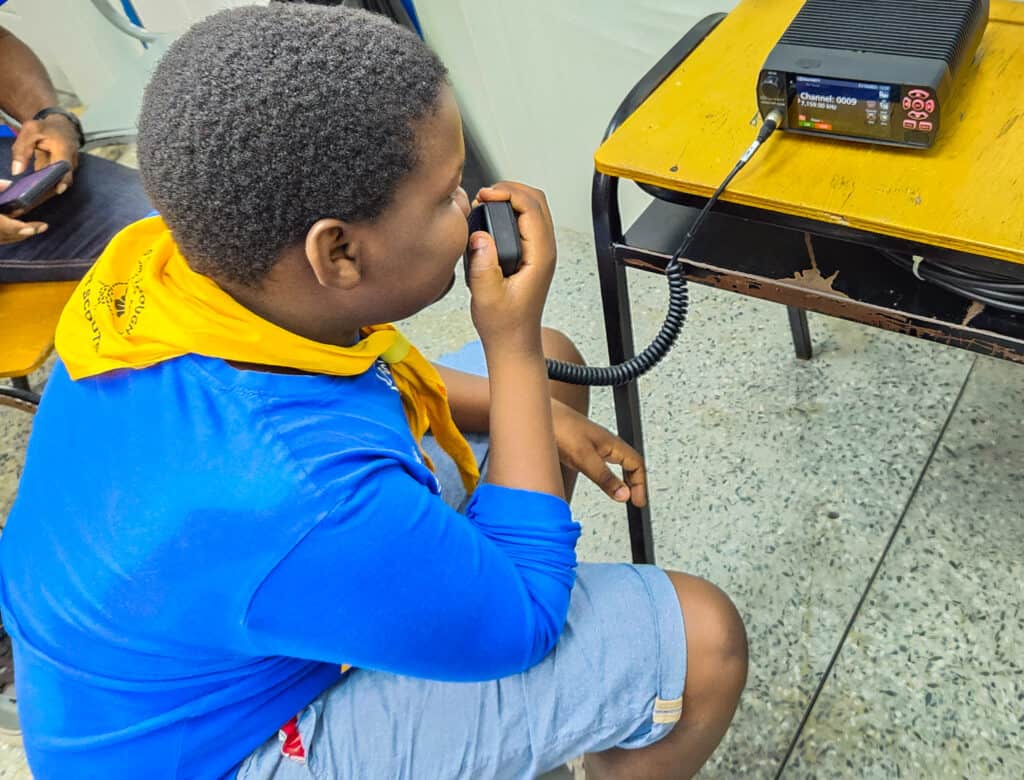
Automatic link establishment in high-frequency (HF) radios means a faster response from emergency management teams and a reduced need for experienced operators.

What is Frequency?
Learn what Frequency is and discover the practical applications of different frequencies.