
How power distributors use HF and VHF radio to facilitate emergency communications
How power distributors use HF and VHF radio to facilitate emergency communications
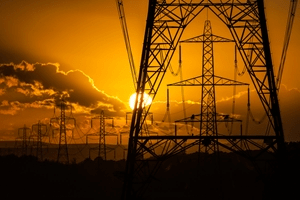
For power distributors, threats are numerous and the stakes are high to ensure that transmission lines are properly maintained and power is restored swiftly in the event of an unplanned outage.
In 2019, the American utility provider Pacific Gas and Electric Company (PG&E) cited challenges like:
• Extreme winter weather.
• Exceptionally hot summer temperatures.
In addition, the organisation needed to take measures to help prevent electric lines from contributing to wildfires in risky areas.
Further problems, like earthquakes and terrorism, could put energy infrastructure at additional risk.
Communications channels for power distributors
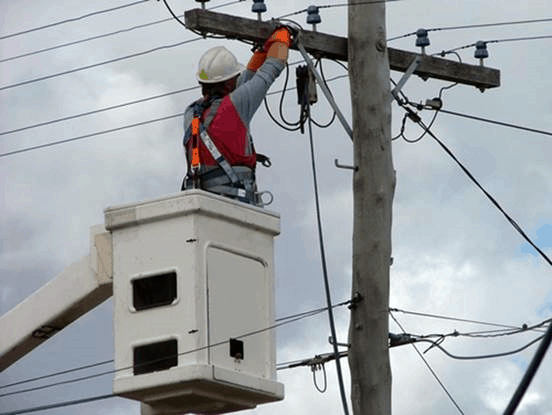
Given these issues, power distributors frequently recognise the need for robust communications technology to make sure they have clear and instantaneous voice connections with field operators, who frequently must work in remote and difficult to access areas.
However, two of the most common links to help support these maintenance workers are vulnerable to compounding issues:
• Cellphones.
• VHF radio.
Cellular connectivity relies on the functionality of a third-party network, which can become overloaded during a crisis or otherwise face issues associated with a catastrophic event. While VHF radio may not be susceptible to infrastructural obstacles, this technology is limited to a line-of-sight (LOS) range, meaning it can only be somewhat useful for power distributors that are responsible for maintaining lines across broad geographic areas spanning far beyond LOS.
High-frequency radio for fallback communications
HF radio can provide an infrastructure-independent long-range voice and data communications link for power distributors, ensuring they have the crucial support they need for restoring power swiftly and efficiently after an outage, instead of allowing compounding effects to derail them further.
Barrett Communications has worked with Bonneville Power Authority to implement a phased HF radio fallback plan, providing BPA with another communication channel for managing their 15,000 miles of high-voltage transmission lines in the face of natural disasters and other disruptive crises.
The Barrett Communications plan leverages:
• Automatic link establishment (ALE).
• Near Vertical Incidence Skywave (NVIS) antenna configurations.
In addition, extensive field-testing was conducted to determine if modifications were needed for minimising interference from high-voltage substations. By choosing the appropriate antenna and the optimal NVIS settings, interference was not a problem.
While the project is extensive, the value for power distributors in implementing infrastructure-independent emergency communications fallback options like HF radio could be indispensable. Without backup, cascading challenges can accumulate, leading to prolonged power outages for customers. Power distributors and other utility companies can’t simply accept that fate as a forgone conclusion. HF radio represents another option.
Barrett Communications is an innovative partner for power distributors looking to diversify their emergency communications options in order to ensure that they have a dependable fallback option for voice and data. Learn more about our HF radio solutions today by contacting a representative in your area.

Beyond the blackout: are power distributors underestimating the effectiveness of their backup communications?
When the power goes out, communication becomes everything.

Building a radio network for community-based environmental alerts
Learn how to build an HF radio network for community alerts. Explore emergency frequencies, training, and protocols to enhance disaster resilience

PACE comms strategy: Why HF radio is vital for emergency response
Choosing the right Primary, Alternate, Contingency, and Emergency (PACE) comms strategy is critical for improving the response to critical incidents.
Cognitive Radio: Smart Solutions for Spectrum Congestion
The surge in demand for wireless communication has led to significant spectrum congestion. Cognitive radio technology offers a smart solution to this problem by intelligently identifying and switching to available channels, enhancing spectrum efficiency and mitigating congestion.
Eliminating empty zones: Why HF radio remains critical in remote desert areas
Securing reliable communications across vast desert areas that lack the necessary infrastructure can be complicated. In these so-called ‘empty zones’, which can extend for thousands of kilometres, alternative comms systems must be put in place to ensure vital personnel can remain in contact.

Advanced HF Radio Propagation Techniques: Mastering Long-Distance Communications
High-frequency (HF) radio wave propagation is crucial for long-distance communication.