
How scalable is HF radio?
How scalable is HF radio?
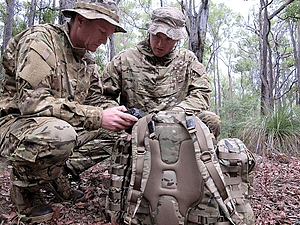
The environments in which many tactical organisations operate are incredibly dynamic. Situations can change quickly, meaning critical communications strategies often need to be highly adaptable and mobile.
Tactical HF radio solutions therefore need to be scalable, offering the flexibility to expand networks and equipment numbers quickly. So how easy is it to scale up your HF radio with Barrett Communications?
Adding additional radio equipment
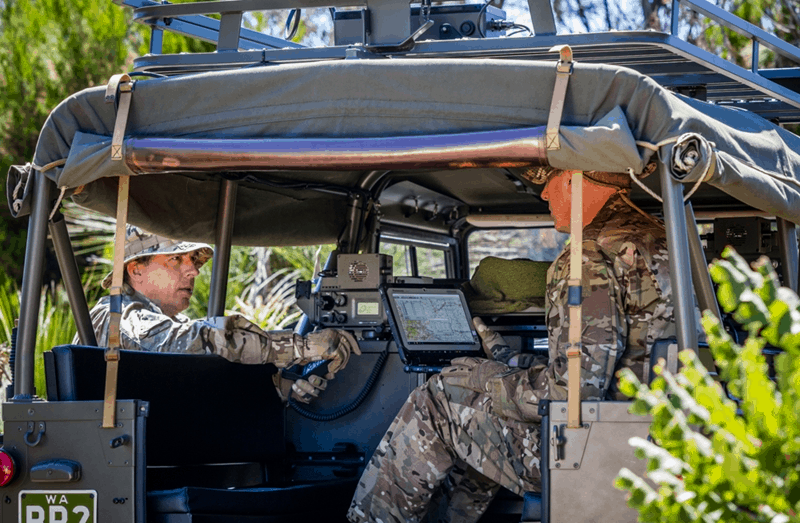
For most purposes, a typical HF radio setup is made up of three major components: A transceiver with a microphone, speaker and frequency controls, an antenna that enables broadcasting and receiving transmissions, and a power source. Once that’s all in place, your network is essentially ready to go, and will be suitable for the needs of a centralised dispatch location.
Organisations that require a more wide-ranging HF solution may not find a single setup capable of meeting all their communications requirements, however. In this case, adding additional transceivers, antennas and power sources is required, something that can be achieved easily by consulting with the team at Barrett. You will likely maintain a home base, but expanding the network with additional equipment is a relatively painless process.
Upgrading your network in stages
Tactical agencies often operate under strict budgetary constraints, so it may not be financially viable to completely overhaul an existing network. Fortunately, however, modern HF solutions are designed with interoperability in mind, so networks can run smoothly with a range of different pieces of equipment.
While your strategy may be to eventually replace all equipment on your network with the most effective solutions available, upgrading iteratively can be a more cost-effective means of achieving that. Devices such as Barrett’s 2063 HF-VHF Tactical Cross Gate can help facilitate this interoperability, ensuring mission-critical information can be communicated effectively.
Overhauling an entire system
If the needs of your network are more urgent – or you have the budget for it – transitioning to a whole new HF radio system may be the right move. Barrett Communications has all the equipment required to get you set up, and can customise a new tactical HF solution that works with existing networks and can easily be augmented and added to as your requirements change.
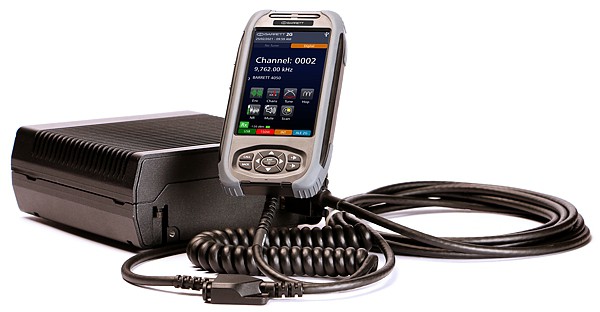
Our PRC-2090 Tactical HF radio system is an excellent, infinitely scalable solution for any HF radio network, with manpack, mobile, base station and rapid deployment options. For more information on the PRC-2090 or any of our range of HF radio equipment, speak to the team at Barrett Communication’s today.

Beyond the blackout: are power distributors underestimating the effectiveness of their backup communications?
When the power goes out, communication becomes everything.

Building a radio network for community-based environmental alerts
Learn how to build an HF radio network for community alerts. Explore emergency frequencies, training, and protocols to enhance disaster resilience

PACE comms strategy: Why HF radio is vital for emergency response
Choosing the right Primary, Alternate, Contingency, and Emergency (PACE) comms strategy is critical for improving the response to critical incidents.
Cognitive Radio: Smart Solutions for Spectrum Congestion
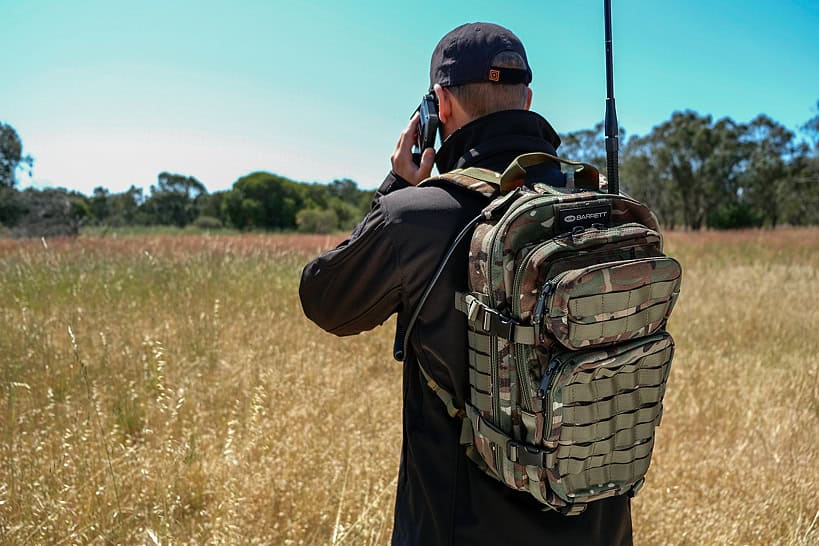
The surge in demand for wireless communication has led to significant spectrum congestion. Cognitive radio technology offers a smart solution to this problem by intelligently identifying and switching to available channels, enhancing spectrum efficiency and mitigating congestion.
Eliminating empty zones: Why HF radio remains critical in remote desert areas
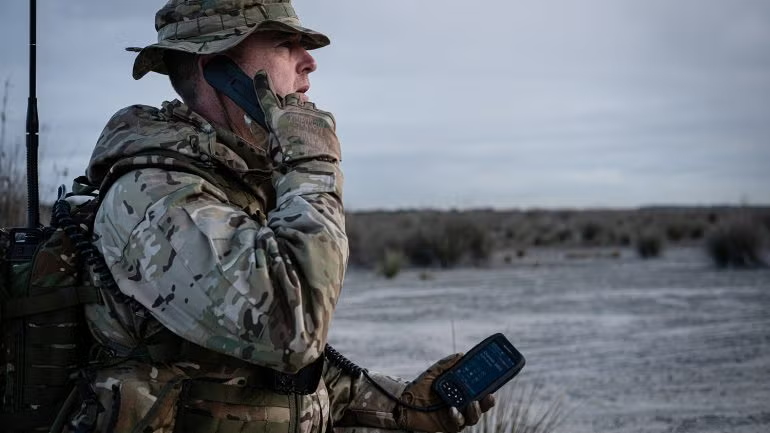
Securing reliable communications across vast desert areas that lack the necessary infrastructure can be complicated. In these so-called ‘empty zones’, which can extend for thousands of kilometres, alternative comms systems must be put in place to ensure vital personnel can remain in contact.
Advanced HF Radio Propagation Techniques: Mastering Long-Distance Communications
High-frequency (HF) radio wave propagation is crucial for long-distance communication.