
How to reduce noise on your HF radio
How to reduce noise on your HF radio
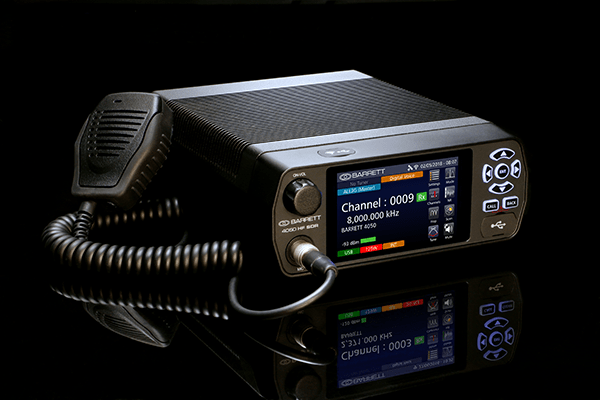
When using an HF radio, sometimes you may find there’s a lot of background noise on the line. Depending on the severity of the problem, this can make clear communications difficult. That said, background noise can be managed by controlling the source of the noise, or even removed if using an HF transceiver with noise-reduction technology like the Barrett 4050 HF SDR.
So, how can you reduce the noise on your HF radio?
Reducing HF radio noise
There are a number of things that can increase the background noise on an HF radio. The key to reducing it, therefore, is eliminating or minimising as many of the interfering signals as possible.
A frequent offender is electronics. Laptops, televisions and even appliances like fridges can produce electronic interference that shows up in the form unwanted radio noise. A good way to test if you’re getting interference of this kind is by unplugging things one by one and seeing if the noise floor on your radio drops.

Electronics like laptops can produce electronic interference that causes noise on your radio.
It’s important to note that natural weather events can also increase the noise on a radio. Thunderstorms are notorious for it, because the electrical energy being discharged creates radio waves that are reflected off the ionosphere; a thunderstorm even thousands of kilometres away can interfere. Radio noise, therefore, is not always something you can control by removing the source.
The Barrett solution
The best way to combat noise is to use a transceiver with noise-reduction technology. Barrett Communication’s 4050 HF SDR transceiver uses digital signal processing (DSP) to remove the background noise from the signal you want to hear. In simple terms, DSP converts the analog signal into a digital one, and from there filters out the unwanted parts. Voice quality is greatly improved as a result, making clear and effective communication possible without the necessity of finding and removing every potential source of interference.
The 4050 HF SDR has many other features that make it the centrepiece of Barrett’s commercial radio line:
- Intuitive touch-screen interface.
- Wireless operation possible with iOS, Android and Windows devices.
- USB connection for transceiver programming, key fill and cloning.
- Digital Voice and Secure Digital Voice.
- Superior receiver performance.
- Low current consumption.
For more information on our 4050 HF SDR transceiver,get in touch with the team today.

Beyond the blackout: are power distributors underestimating the effectiveness of their backup communications?
When the power goes out, communication becomes everything.

Building a radio network for community-based environmental alerts
Learn how to build an HF radio network for community alerts. Explore emergency frequencies, training, and protocols to enhance disaster resilience

PACE comms strategy: Why HF radio is vital for emergency response
Choosing the right Primary, Alternate, Contingency, and Emergency (PACE) comms strategy is critical for improving the response to critical incidents.
Cognitive Radio: Smart Solutions for Spectrum Congestion
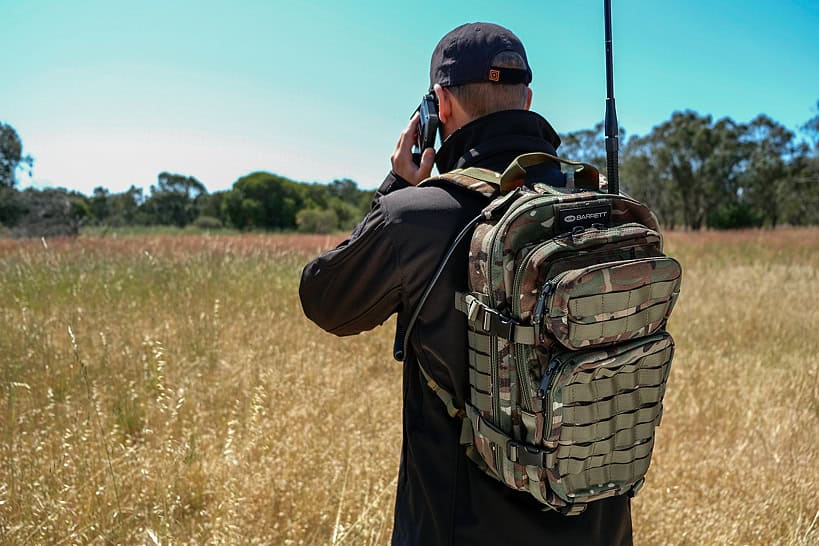
The surge in demand for wireless communication has led to significant spectrum congestion. Cognitive radio technology offers a smart solution to this problem by intelligently identifying and switching to available channels, enhancing spectrum efficiency and mitigating congestion.
Eliminating empty zones: Why HF radio remains critical in remote desert areas
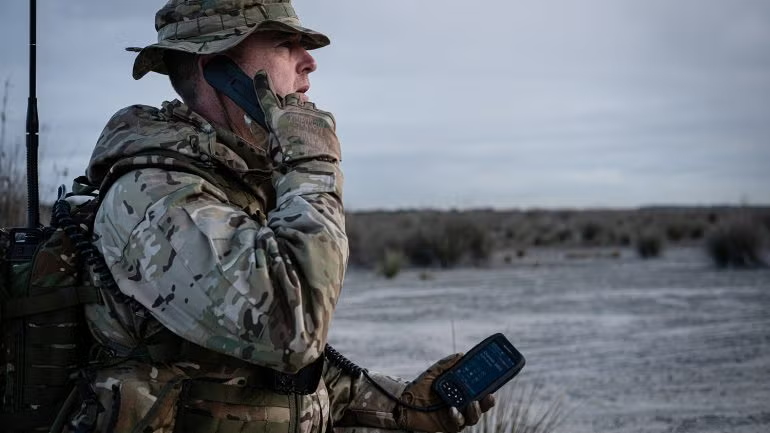
Securing reliable communications across vast desert areas that lack the necessary infrastructure can be complicated. In these so-called ‘empty zones’, which can extend for thousands of kilometres, alternative comms systems must be put in place to ensure vital personnel can remain in contact.
Advanced HF Radio Propagation Techniques: Mastering Long-Distance Communications
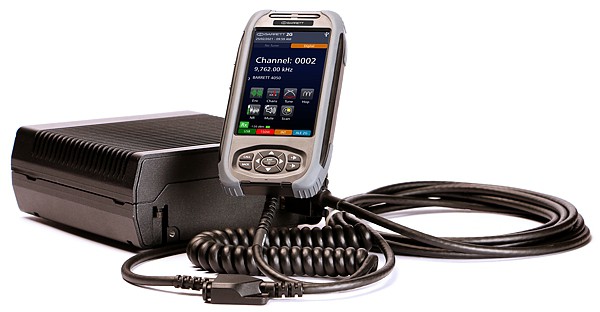
High-frequency (HF) radio wave propagation is crucial for long-distance communication.