

The history of broadcasting in Australia
The history of broadcasting in Australia
Explore the transformative journey of radio broadcasting in Australia from its dawn in the 1920s to its flourishing presence in the 1930s with Barrett Communications.
Radio broadcasting, a novelty in late 1923, forever reshaped Australia’s communication landscape. This chronicle delves into radio’s transformative journey from the rudimentary 1920s to the flourishing 1930s.
The advent of radio broadcasting in Australia
In the twilight of 1923 and the dawn of 1924, Australia’s cultural hubs, Sydney and Melbourne, marked the genesis of radio broadcasting. This developing era saw nine licensed broadcasters spring up across the nation. Such a promising debut of public voice transmissions signalled radio’s potential as a transformative communication medium.
The evolution of radio devices
Radio technology underwent a rapid metamorphosis. The earliest devices were battery-powered and dauntingly complex, catering more to the technically inclined than the average household. As technology advanced, these intimidating machines transitioned into mains-powered, user-friendly devices designed for everyday use. This evolution positioned radios as staple household items, often seamlessly integrated into furniture, blending functionality with aesthetics.
The growth of radio in the 1920s
The 1920s witnessed explosive growth in radio usage. Within five years, the number of licensed listeners swelled from a modest 1,200 to over 300,000, a testament to radio’s widespread appeal. Even the onset of the Great Depression failed to stifle radio’s burgeoning popularity. By the end of the 1920s, 20% of Australian households were tuned in, reflecting the medium’s resilient growth trajectory amidst socio-economic challenges.

The regional divide in radio access
Despite commercial radio’s nationwide popularity, its reach during the late 1920s remained predominantly urban-centric. Of the 22 licensed stations, an overwhelming majority, 19 to be precise, were stationed in major cities. Regional cities were markedly underrepresented, with only three — Newcastle, Toowoomba and Bathurst — boasting licensed stations by 1929.
Radio penetration by the end of the 1930s
As the 1930s drew to a close, licensed radio listeners surged to over 1,102,315, accounting for approximately 16% of Australia’s population. In household terms, this translates to around 66% of families having access to a radio, a poignant indicator of the medium’s rapid and expansive penetration into everyday life.
An overview
Commercial radio in Australia underwent a significant transformation from the 1920s through the 1930s. It evolved from an emerging technological wonder to an integral part of domestic culture, withstanding socio-economic upheavals and earning a coveted place in most households. The radio soon became more than a communication device; it was a highly sought-after commodity that brought entertainment, news and a sense of global connection to the Australian public.
These early developments in Australian radio broadcasting had a lasting impact on the country’s radio and media landscape, shaping it into what we see today. At Barrett Communications, we are well-versed in radio’s historical significance and its modern relevance. Committed to this tradition of innovation, we continue to deliver advanced radio solutions that resonate with radio’s enduring impact on global communication. For more on how we can help shape your communication needs, please contact us.

Beyond the blackout: are power distributors underestimating the effectiveness of their backup communications?
When the power goes out, communication becomes everything.

Building a radio network for community-based environmental alerts
Learn how to build an HF radio network for community alerts. Explore emergency frequencies, training, and protocols to enhance disaster resilience

PACE comms strategy: Why HF radio is vital for emergency response
Choosing the right Primary, Alternate, Contingency, and Emergency (PACE) comms strategy is critical for improving the response to critical incidents.
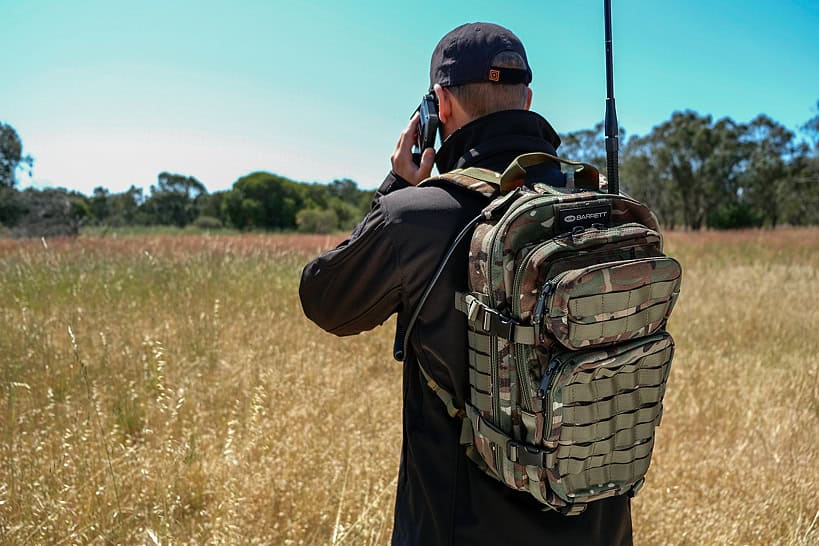
Cognitive Radio: Smart Solutions for Spectrum Congestion
The surge in demand for wireless communication has led to significant spectrum congestion. Cognitive radio technology offers a smart solution to this problem by intelligently identifying and switching to available channels, enhancing spectrum efficiency and mitigating congestion.
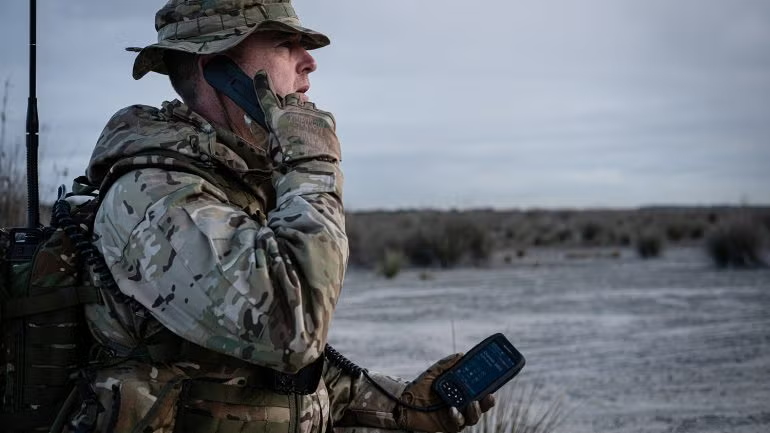
Eliminating empty zones: Why HF radio remains critical in remote desert areas
Securing reliable communications across vast desert areas that lack the necessary infrastructure can be complicated. In these so-called ‘empty zones’, which can extend for thousands of kilometres, alternative comms systems must be put in place to ensure vital personnel can remain in contact.

Advanced HF Radio Propagation Techniques: Mastering Long-Distance Communications
High-frequency (HF) radio wave propagation is crucial for long-distance communication.