

Why is HF radio still an effective communications choice?
Why is HF radio still an effective communications choice?
There’s no doubt that innovative digital technology has significantly impacted the radio communications industry. New tools have emerged that promise greater quality, reliability and efficiency, but in many cases there’s no substitute for the tried-and-tested benefits of HF radio.
For certain situations in particular, such as humanitarian or military communications where access to infrastructure is limited, HF radio is simply a better choice. While satellite communications have become a popular option for many organisations, there are a number of reasons why maintaining a functional HF radio network is essential.
Unparalleled resiliency of HF radio
Many leading organisations still champion the use of HF radio solutions, citing the immense resiliency of the decades-old technology. Australia’s Ionospheric Prediction Service (IPS), for example – a branch of the Bureau of Meteorology – are considered a global leader in HF radio, and have extensively reported on the value of the communications method.
The IPS notes that advanced HF radio techniques directly impact the lives of many people, often without any of us being aware of it. International radio broadcasts utilise HF’s reliance on the ionosphere to transmit over massive distances, modern military forces use it as an essential part of communications and surveillance systems and many airlines continue to maintain HF radio for flying at latitudes where satellite communications are unreliable.
Advanced HF radio techniques directly impact the lives of many people.
Reducing communications costs
While satellite is an effective modern option for organisations with large budgets, in many cases it can be cost-prohibitive as a complete communications solution. For humanitarian agencies that operate with strict budgetary constraints, it’s not just the reliability of HF radio that is a benefit, but the essentially ‘free-to-air’ nature of the technology.
Once the radio equipment itself has been purchased, organisations are able to establish their network with little or no further financial investment. Choosing the right equipment is obviously a concern, as keeping costs low means you will need radio equipment that’s built to last, and that’s a core element of Barrett Communications’ development and engineering strategy.
Our HF and VHF radio solutions are built with some of the world’s most challenging environments in mind, featuring durability to match our reliability and ease of use. If your organisation is struggling with network resiliency or cost-effectiveness for your communications solutions, perhaps establishing or expanding HF radio solutions is the answer you’ve been waiting for.
Speak to our team today for more information about the benefits of HF radio.

Beyond the blackout: are power distributors underestimating the effectiveness of their backup communications?
When the power goes out, communication becomes everything.

Building a radio network for community-based environmental alerts
Learn how to build an HF radio network for community alerts. Explore emergency frequencies, training, and protocols to enhance disaster resilience

PACE comms strategy: Why HF radio is vital for emergency response
Choosing the right Primary, Alternate, Contingency, and Emergency (PACE) comms strategy is critical for improving the response to critical incidents.
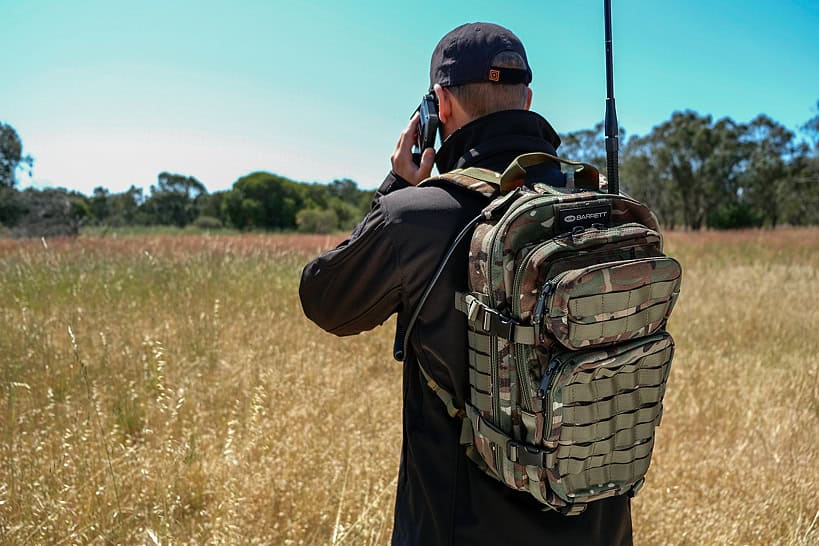
Cognitive Radio: Smart Solutions for Spectrum Congestion
The surge in demand for wireless communication has led to significant spectrum congestion. Cognitive radio technology offers a smart solution to this problem by intelligently identifying and switching to available channels, enhancing spectrum efficiency and mitigating congestion.
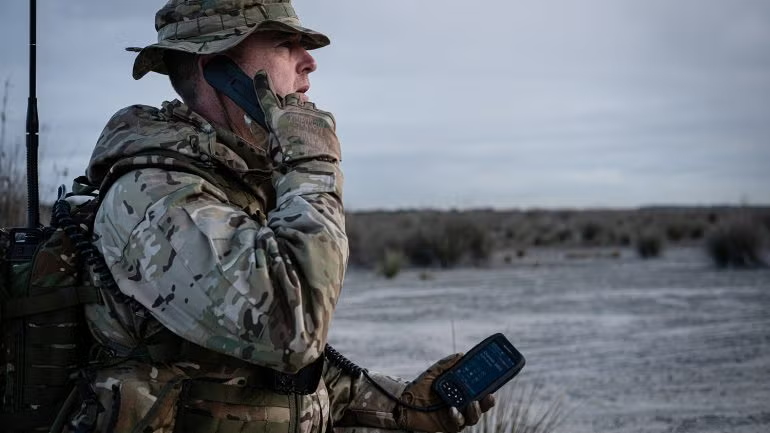
Eliminating empty zones: Why HF radio remains critical in remote desert areas
Securing reliable communications across vast desert areas that lack the necessary infrastructure can be complicated. In these so-called ‘empty zones’, which can extend for thousands of kilometres, alternative comms systems must be put in place to ensure vital personnel can remain in contact.
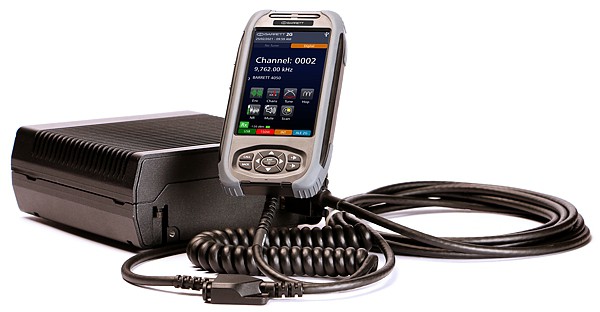
Advanced HF Radio Propagation Techniques: Mastering Long-Distance Communications
High-frequency (HF) radio wave propagation is crucial for long-distance communication.

Pingback: How has HF radio stood the test of time as a communications tool? - Barrett Communications