
WWII Heroines: Shaping Modern Radio Tech
WWII Heroines: Shaping Modern Radio Tech
WWII female SOE agents played a crucial role in covert operations, influencing modern radio tech with their secret communication skills.
In World War II, female Special Operations Executive (SOE) operators were key in covert operations, sending vital intelligence to the Allies. Their secret communication skills aided the allied war effort and influenced modern two-way radio technology, merging bravery with technological innovation.
SOE: Origin and aims
During WWII, the SOE emerged as a critical force against Nazi dominance. Established by Winston Churchill, its mission was both daring and essential: to disrupt and dismantle Nazi control across Europe. This strategy hinged on stealth, intelligence and the element of surprise.
The wireless operators — many of whom were women — were central to the SOE’s mission. These individuals often worked in secret and isolation, facing significant pressure and risk as they served as vital conduits for resistance movements throughout occupied territories. Their roles encompassed orchestrating sabotage, gathering crucial intelligence and maintaining open lines of communication under daunting conditions.
In concealed locations, these operators diligently ensured the flow of vital information, which was crucial in shaping the war’s trajectory, demonstrating the profound impact of strategic communication and intelligence in warfare.
Heroines and hardware
Among the remarkable women of the SOE were figures like Noor Inayat Khan and Odette Hallowes. Khan, known in the resistance as “Madeleine,” served as a vital link between the French Resistance and London. Despite the ever-present danger of capture, she operated with remarkable courage. Her transmissions, often sent from makeshift hideouts, were crucial in coordinating Allied actions.
Odette Hallowes, another luminary, demonstrated extraordinary resilience. Captured and subjected to brutal torture, she steadfastly refused to betray her comrades or mission. Her fortitude in the face of such adversity became legendary within the SOE.
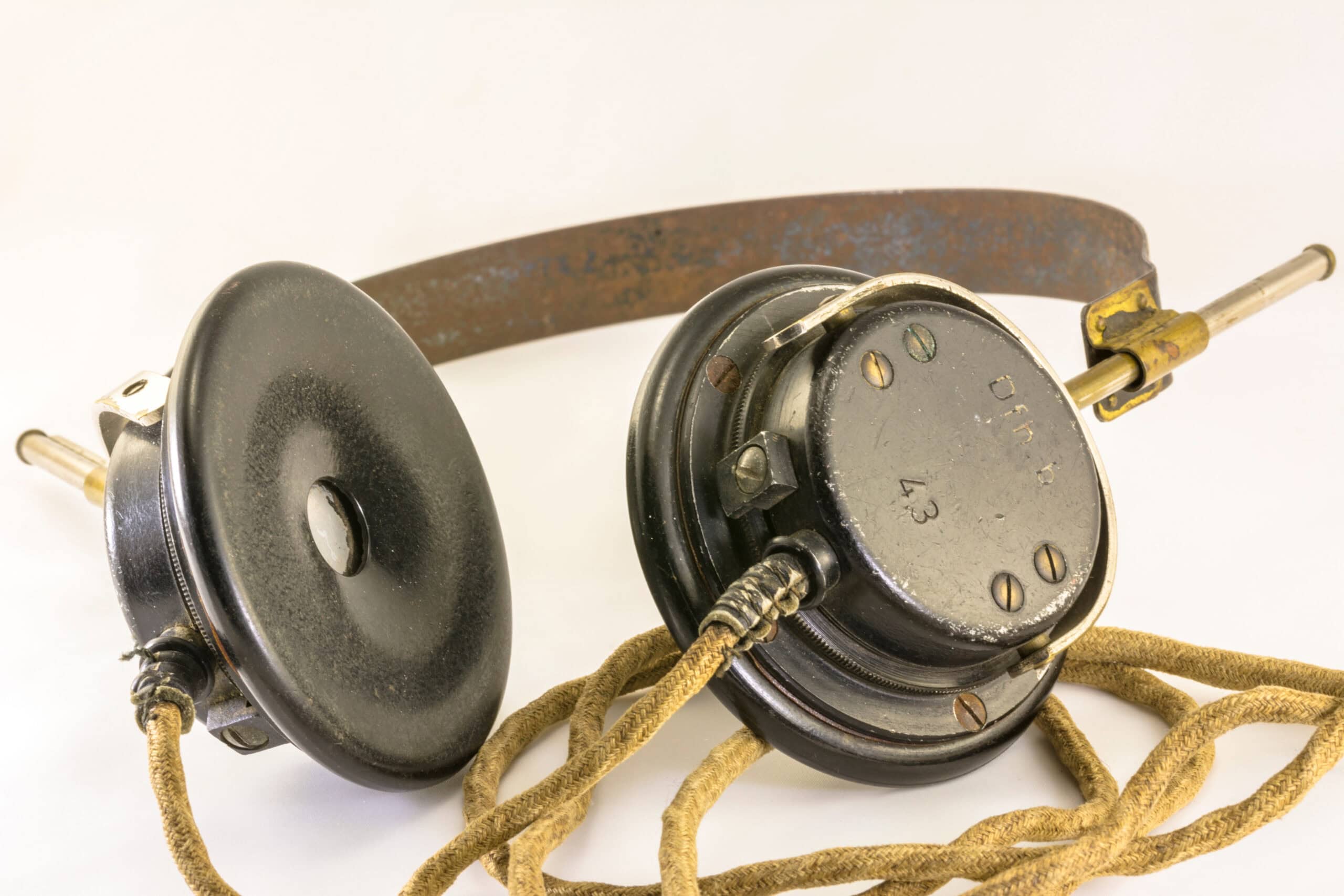
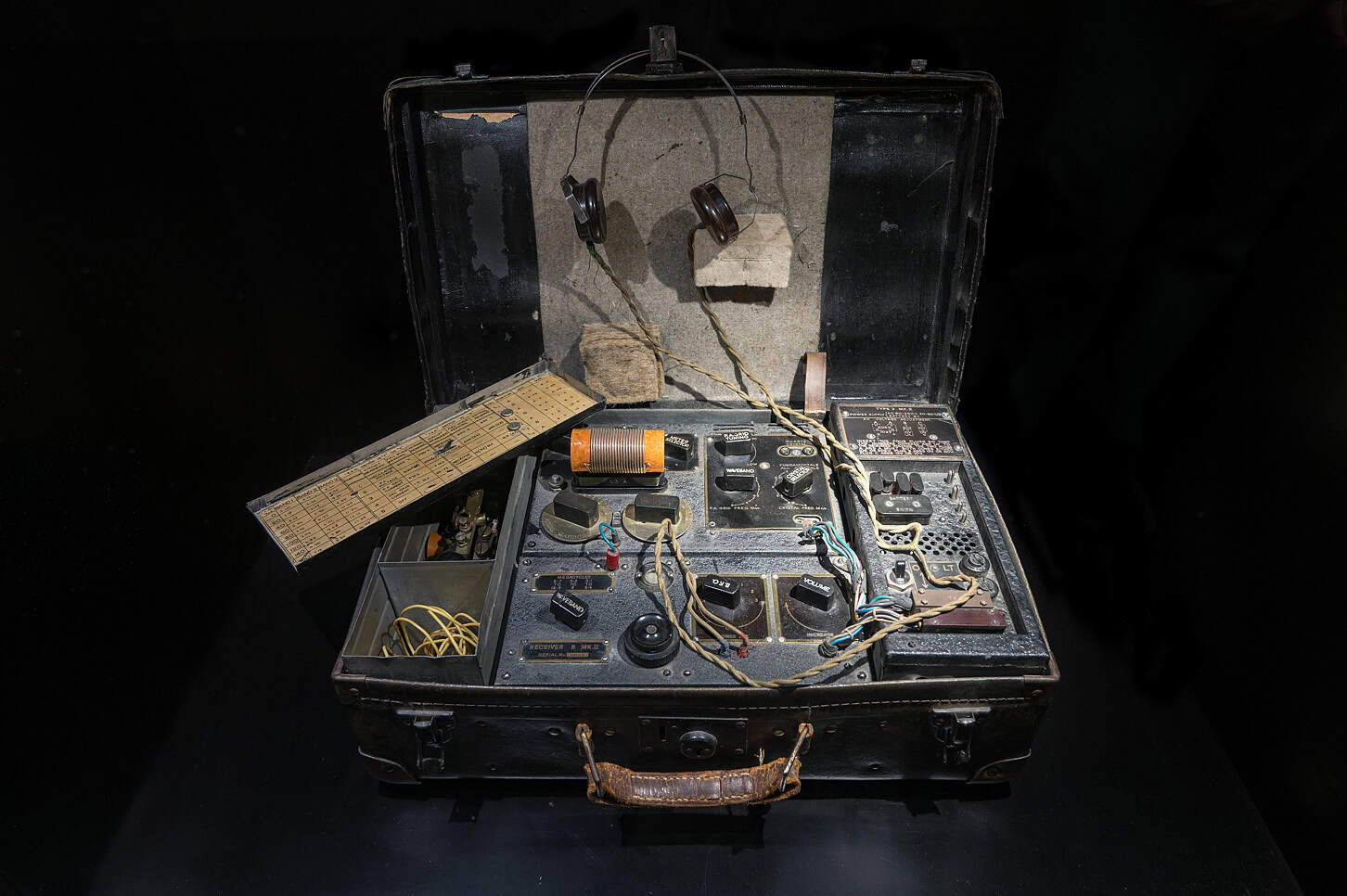
Their work involved not just skill but also clever deception. In a world where being a woman was both an asset and a risk, they navigated their roles adeptly. The radios they used were a far cry from today’s sleek devices. These bulky, often temperamental transmitters demanded a unique combination of technical expertise and creativity to operate effectively, especially in hostile environments.
Khan, for instance, once narrowly avoided capture by swiftly concealing her radio equipment moments before a Gestapo raid. Hallowes, on the other hand, ingeniously improvised repairs to keep her radio operational, using whatever materials were at hand.
Legacy: Then and now
The impact of these wireless operators extends into the present day. Their experiences during the war spurred significant advancements in radio technology. The post-war era saw a shift towards more compact, reliable and secure communication devices.
Innovations like encryption, ensuring secure communication, and the miniaturization of devices are rooted in the improvisations and necessities of WWII espionage. These advancements have reshaped not just military communication but have also become integral to civilian life.
Key takeaways
The narrative of these WWII heroines is a compelling blend of courage, innovation and resilience. They were not merely operatives in a war but pioneers who significantly influenced the technology that keeps the world connected today. As we honor their contributions, we are also reminded of the challenge they represent: to continue pushing the boundaries of innovation and technology.
For more insights into the fascinating world of communication technology, explore Barrett Communications’ blog, where history and innovation converge.

Beyond the blackout: are power distributors underestimating the effectiveness of their backup communications?
When the power goes out, communication becomes everything.

Building a radio network for community-based environmental alerts
Learn how to build an HF radio network for community alerts. Explore emergency frequencies, training, and protocols to enhance disaster resilience

PACE comms strategy: Why HF radio is vital for emergency response
Choosing the right Primary, Alternate, Contingency, and Emergency (PACE) comms strategy is critical for improving the response to critical incidents.
Cognitive Radio: Smart Solutions for Spectrum Congestion
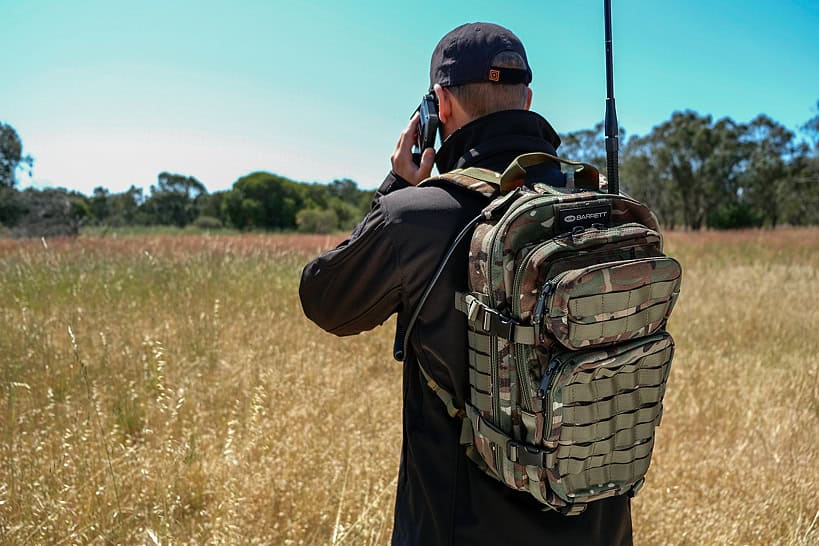
The surge in demand for wireless communication has led to significant spectrum congestion. Cognitive radio technology offers a smart solution to this problem by intelligently identifying and switching to available channels, enhancing spectrum efficiency and mitigating congestion.
Eliminating empty zones: Why HF radio remains critical in remote desert areas
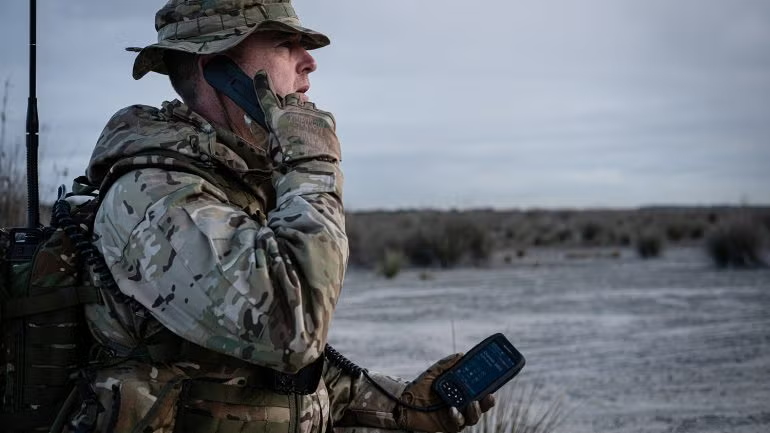
Securing reliable communications across vast desert areas that lack the necessary infrastructure can be complicated. In these so-called ‘empty zones’, which can extend for thousands of kilometres, alternative comms systems must be put in place to ensure vital personnel can remain in contact.
Advanced HF Radio Propagation Techniques: Mastering Long-Distance Communications
High-frequency (HF) radio wave propagation is crucial for long-distance communication.