
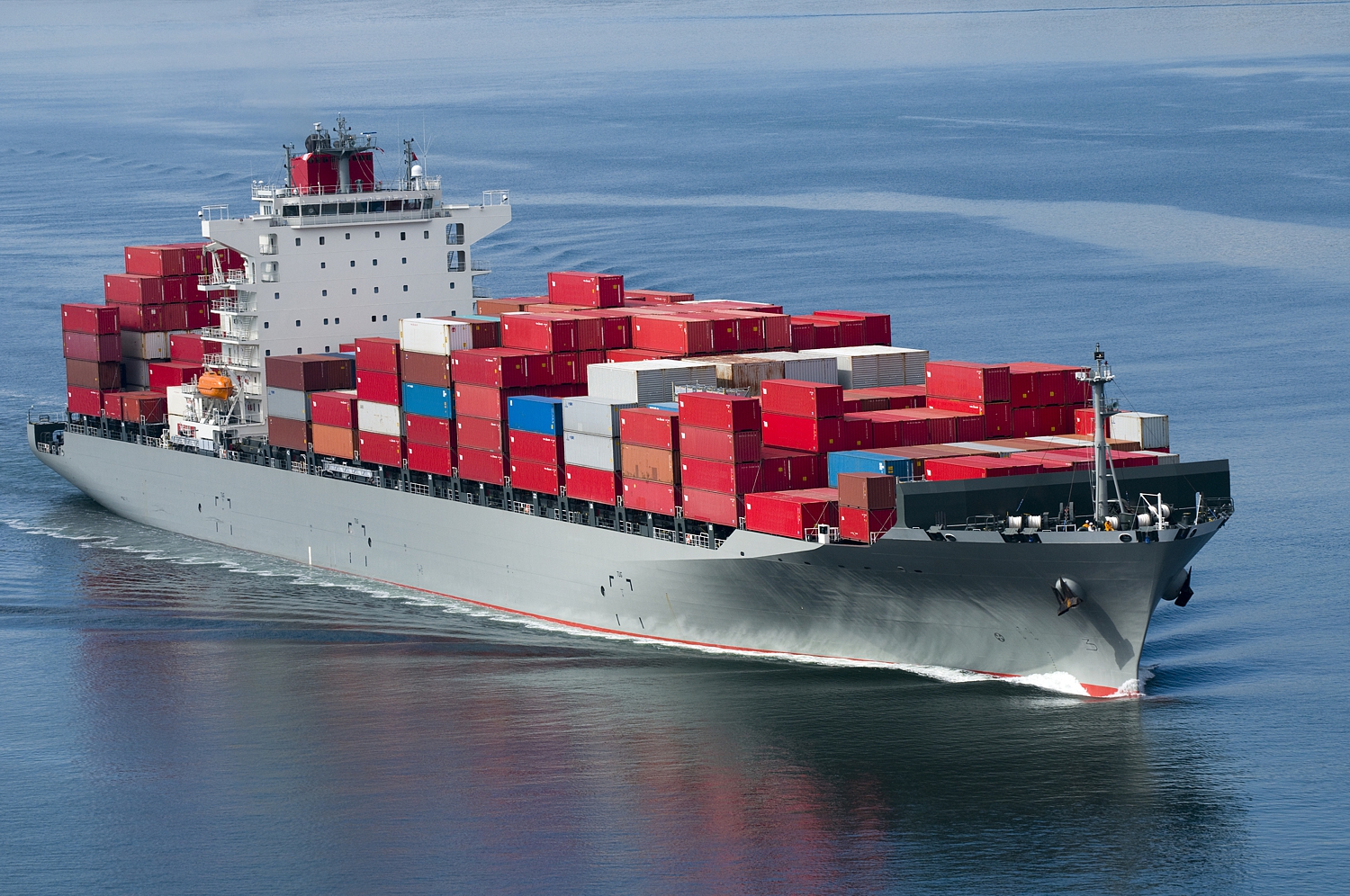
How HF radios aid in coastal surveillance and security
How HF radios aid in coastal surveillance and security
Effective coastal surveillance and security are critical for ensuring marine operations and saving lives at sea.
High-frequency (HF) radios play an important role in marine communication as they offer long-range capabilities required for monitoring and emergency response. Let’s look at how HF radios are improving coastal surveillance and security.
Technical overview of HF radio
HF radios operate at frequencies ranging from 3 to 30 MHz, providing significant long-range communication capability using HF radio propagation. These frequencies permit both sky-wave and ground-wave transmission, allowing signals to travel up to and beyond 2000 nautical miles. This vast coverage is especially useful for vessels operating far from shore, allowing them to maintain contact with coast stations and other vessels.
One of the primary benefits of HF radios is their ability to transmit beyond the line of sight, utilising ionospheric reflection (HF radio propagation) to reach distant transceivers. This capacity is critical for maritime operations since it enables communication in remote places when other radio communication methods, such as VHF, are out of range.
Enhancing maritime safety with HF radio
HF radios are integral to the Global Maritime Distress and Safety System (GMDSS), which was introduced by the International Maritime Organization (IMO) in 1992. GMDSS transformed marine communication by streamlining and connecting distress warning systems and enhancing search and rescue (SAR) operations. HF radios allow vessels to send distress signals that are automatically received across long distances, allowing for more prompt SAR responses.
Integration with the International Cospas-Sarsat Programme and digital selective calling (DSC) improves the operation of HF radios. Cospas-Sarsat detects distress signals from anywhere on the planet, while DSC enables automatic distress alerting, minimising the time required to launch a rescue effort.
To maximise the benefits of HF radios, mariners should participate in training programs that focus on effective use and best practices. Understanding how to properly use and maintain HF radios is critical for ensuring consistent communication. Furthermore, worldwide collaboration in standardising HF radio protocols — as required by the IMO — contributes to the development of a unified and efficient communication network.

Case study: Australia’s GMDSS Services
Australia’s implementation of GMDSS services exemplifies the effective use of HF radios. The Australian Maritime Safety Authority (AMSA) provides nationwide monitoring and services, ensuring continuous coverage for distress and safety communications. AMSA’s HF DSC network monitors distress frequencies 24/7, with automated alerts enhancing response times.
Specific frequencies used for HF radiotelephone and DSC services include 4125, 6215, 8291, 12290, and 16420 kHz. This comprehensive coverage ensures that vessels in Australian waters can always reach out for help when needed.
Future prospects and innovations
The future of HF radio technology in maritime surveillance appears strong. Advances in signal processing and data encryption are expected to increase communication clarity and security, while enhanced automated distress signal processing will allow for even faster emergency responses.
However, continuous innovation is required to handle growing security concerns. Future research focused on enhancing the capabilities of HF radios, such as combining them with other communication technologies and improving their resistance to interference, will play a crucial role in improving marine safety.
Conclusion
HF radios are critical for coastal surveillance and security because they provide the long-range communication required to assure marine safety. Their inclusion within the GMDSS framework, as well as support from international programs such as Cospas-Sarsat ( a satellite-aided search and rescue system), highlight their vital importance.
As technology progresses, HF radios’ capabilities will expand, providing even more powerful alternatives for maritime communication. For maritime workers, staying current on these improvements and incorporating HF radios into operations is critical to ensuring sea safety and security.
Explore the benefits of HF radios and ensure your operations are equipped with the best communication tools available.

Beyond the blackout: are power distributors underestimating the effectiveness of their backup communications?
When the power goes out, communication becomes everything.

Building a radio network for community-based environmental alerts
Learn how to build an HF radio network for community alerts. Explore emergency frequencies, training, and protocols to enhance disaster resilience

PACE comms strategy: Why HF radio is vital for emergency response
Choosing the right Primary, Alternate, Contingency, and Emergency (PACE) comms strategy is critical for improving the response to critical incidents.
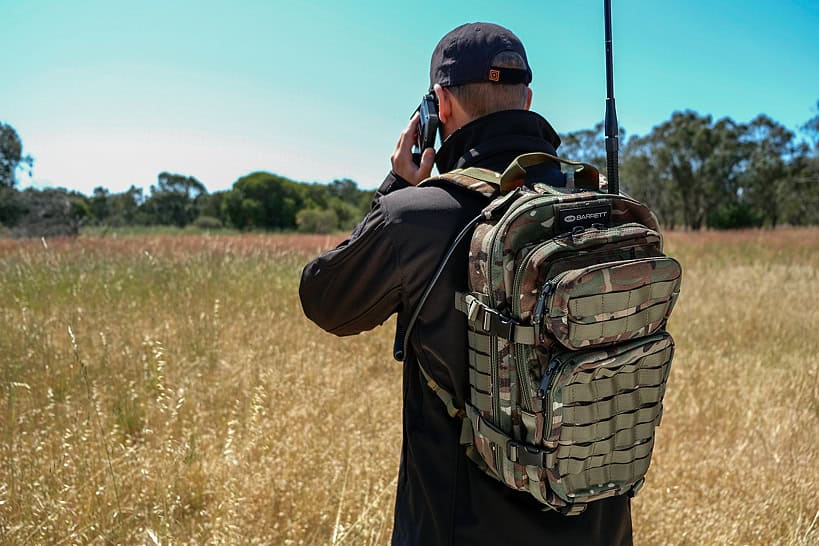
Cognitive Radio: Smart Solutions for Spectrum Congestion
The surge in demand for wireless communication has led to significant spectrum congestion. Cognitive radio technology offers a smart solution to this problem by intelligently identifying and switching to available channels, enhancing spectrum efficiency and mitigating congestion.
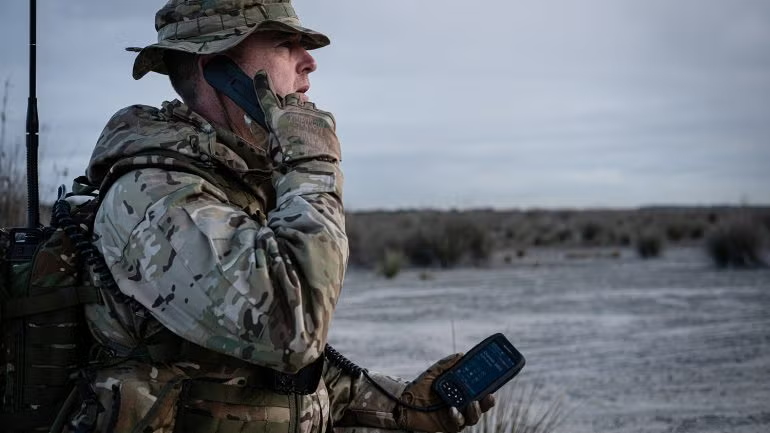
Eliminating empty zones: Why HF radio remains critical in remote desert areas
Securing reliable communications across vast desert areas that lack the necessary infrastructure can be complicated. In these so-called ‘empty zones’, which can extend for thousands of kilometres, alternative comms systems must be put in place to ensure vital personnel can remain in contact.
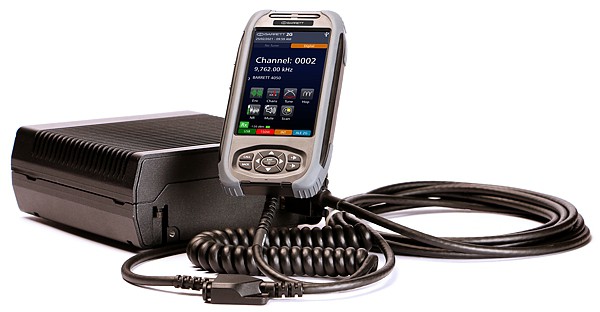
Advanced HF Radio Propagation Techniques: Mastering Long-Distance Communications
High-frequency (HF) radio wave propagation is crucial for long-distance communication.