
How Modern SDR can Provide Greater Connectivity for Humanitarian Missions
How Modern SDR can Provide Greater Connectivity for Humanitarian Missions
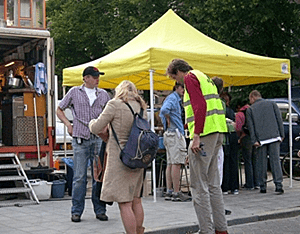
Software-defined radio (SDR) can be invaluable for humanitarian missions, providing seamless operation in the field and facilitating ease-of-use. Humanitarian endeavours require that networks be in place for instant, real-time communications transmissions at all times. The ability to deploy communications and deliver immediate information on demand is key to improved operability.
HF radio has long been the communications medium of choice for NGOs, peacekeeping and humanitarian efforts, and the latest Software-Defined Radio (SDR) transceivers provide the latest iteration of high-quality, reliable connectivity.
Modern SDR is compatible with older equipment
SDR technology has now been almost universally adopted, and Barrett focuses on ensuring that each device is forward and backward compatible, as humanitarian deployments in rural areas or developing countries can often mean coordinating with people and organisations that may lack the latest communication-based technologies. With modern SDR and a way to conveniently integrate with older solutions, greater connectivity can be achieved.
Modern SDR is easy to use
SDR technology from Barrett is easy to use even for lightly trained personnel. Familiar touch screen functionality delivers a tablet-like experience, with the ability to “swipe and tap” to complete common select and command functions. Rapid training in the field is possible, simplifying the path to effective personnel even in volunteer heavy humanitarian missions, making dependable connectivity a better certainty no matter who is in charge of the equipment, as the basics can be quickly grasped.
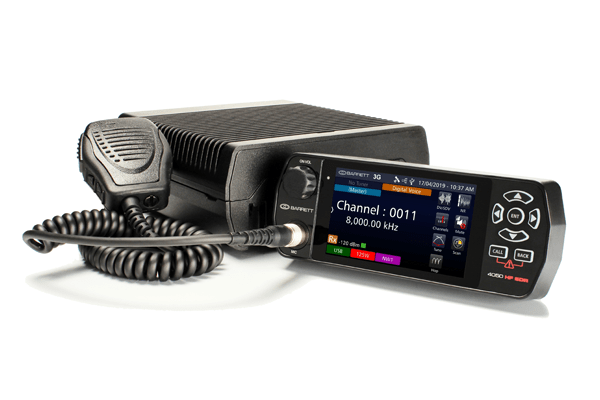
SDR is simple to use.
Modern SDR is highly portable
SDR equipment is smaller and more lightweight than ever, thanks to the ability of newly developed hardware and software to deliver expanded bandwidth in a compact, powerful unit that is slim, lightweight and easy to transport. They can be hand-carried, installed in a backpack or vehicle-mounted for ultimate coverage and portability in remote areas and difficult terrain.
Modern SDR is internet friendly
SDR can not only facilitate more traditional radio communications, but can seamlessly interface with and secure digital voice, email and data transfer transmissions. Humanitarian missions can maintain constant communication between groups and command stations and the radios themselves can be controlled and operated from anywhere with internet access and a platform that is IP-capable. The result is an HF network that can deliver telephone quality communications to almost any IP-capable handheld device, meaning everyone on a team can be connected to (and remotely control) the radio as needed.
Modern SDR makes connectivity clearer
Finally, SDR allows digital voice to be utilised as a clear advantage over traditional analogue. Analogue signals are subject to high background noise interference, causing cross-channel static that can make communications difficult if not impossible. By transmitting digitally sequenced tones in a signal that can be readily converted back to voice on the other end, atmospheric distortion can be negated. A clear sound can be achieved even over weak radio channels, and security is automatically increased.
For more information on SDR solutions, or if you’re looking for a reliable communications system for your humanitarian efforts, contact the Barrett Communications team today.
Eliminating empty zones: Why HF radio remains critical in remote desert areas
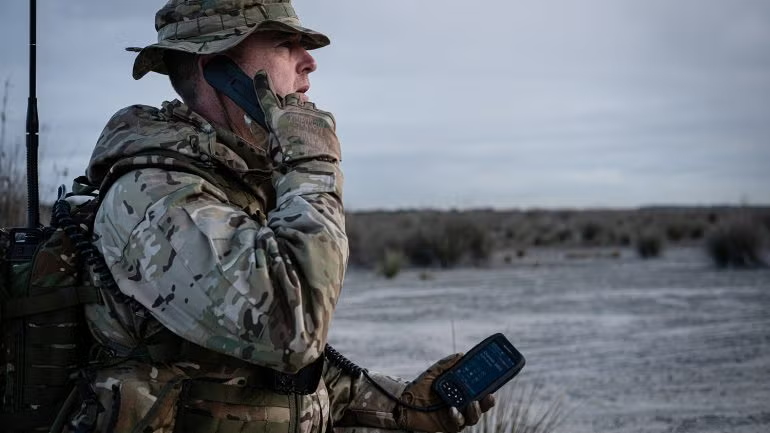
Securing reliable communications across vast desert areas that lack the necessary infrastructure can be complicated. In these so-called ‘empty zones’, which can extend for thousands of kilometres, alternative comms systems must be put in place to ensure vital personnel can remain in contact.

Why naval vessels would be all at sea without HF radio
To protect its citizens, regional defence forces must be well-equipped and well-maintained. When coordinating military operations, evacuations, and relief efforts, communications systems are crucial.
Why one tiny town in Australia is an HF radio powerhouse
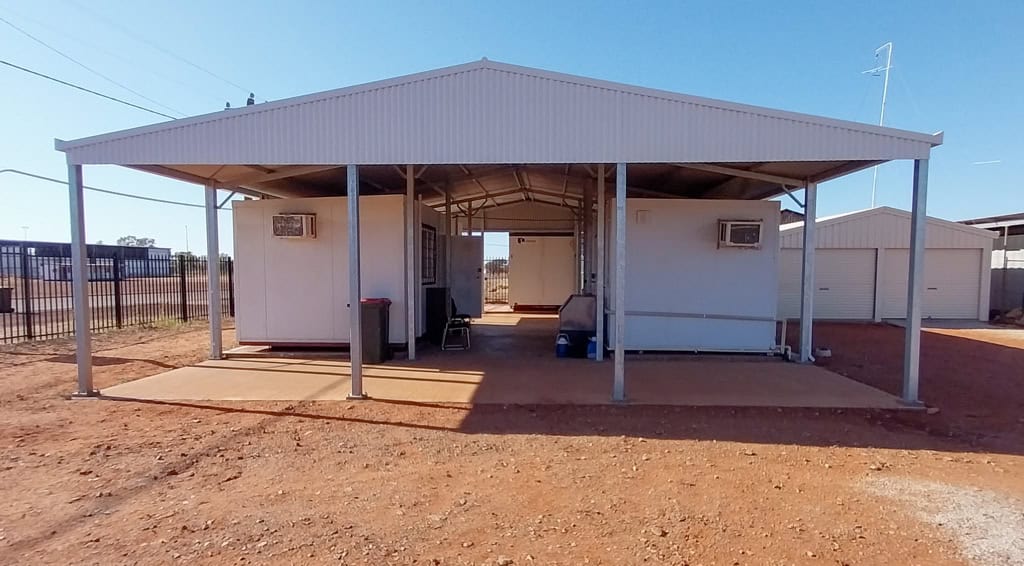
Wiluna is 1,000km from Perth and has a population in the hundreds. Despite this, it is home to test and transmission sites for internationally significant communication systems.
Caribbean nations adopt Australian emergency response tech, systems
In the Caribbean, Australian-made goods are often synonymous with quality. For emergency management teams tasked with saving lives and property, quality is key and that’s why they’re choosing Barrett Communications.
How high-tech HF radios are boosting Tobago’s disaster communications networks
Automatic link establishment in high-frequency (HF) radios means a faster response from emergency management teams and a reduced need for experienced operators.

Caribbean radio movement responds to communication needs during hurricane season
Youlou Radio Movement in St Vincent and the Grenadines is providing much-needed radio links and emcon training in the Caribbean region.