

5 HF equipment essentials for humanitarian operations
5 HF equipment essentials for humanitarian operations
The work humanitarian groups perform in the field is both admirable and extremely challenging, especially when it comes to communications. Helping those in need often takes field workers to remote locations or areas where conventional communications infrastructure is compromised. In these conditions, how are charity groups supposed to exchange vital information?
HF radio. This reliable communications medium has been used by operators in field situations for nearly a century, with the same basic equipment working time after time.
Here’s a guide to five pieces of HF radio equipment essential in humanitarian operations.
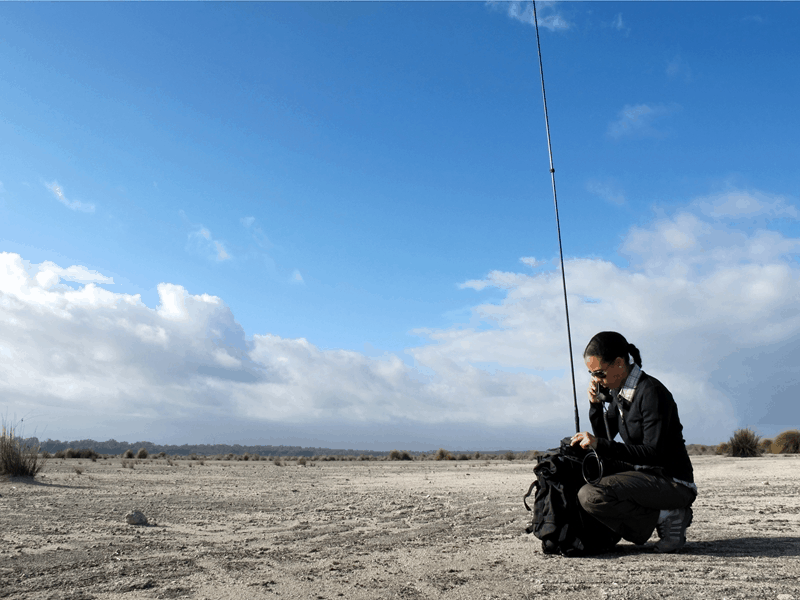
1. Barrett 2090 HF Manpack Transceiver
Our 2090 HF Manpack is the perfect mobile comms solution. Ruggedised for field use and lightweight for portability, the 2090 HF transceiver is also equipped with an automatic antenna tuner linkable to a range of whips and static antennas to increase communication range. It boasts advanced features such as Digital Signal Processor noise reduction and Digital Voice, improving communication quality in even the most adverse HF conditions.
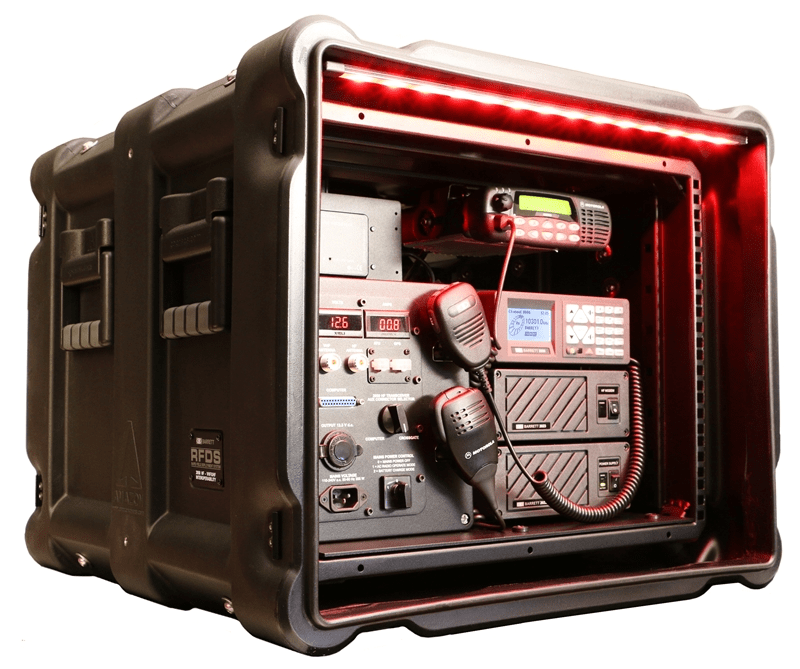
2. HF Rapid Field Deployment System
The Rapid Field Deployment System (RFDS) is a total communications option, linking a number of devices (including HF and VHF/UHF transceivers) for interoperability. Field operational within minutes, the RFDS can be recharged through the AC Mains port or a 12V 33Ah battery, meaning you’ll never be stuck in the field. The system acts as a transportable base station and is vehicle deployable too.
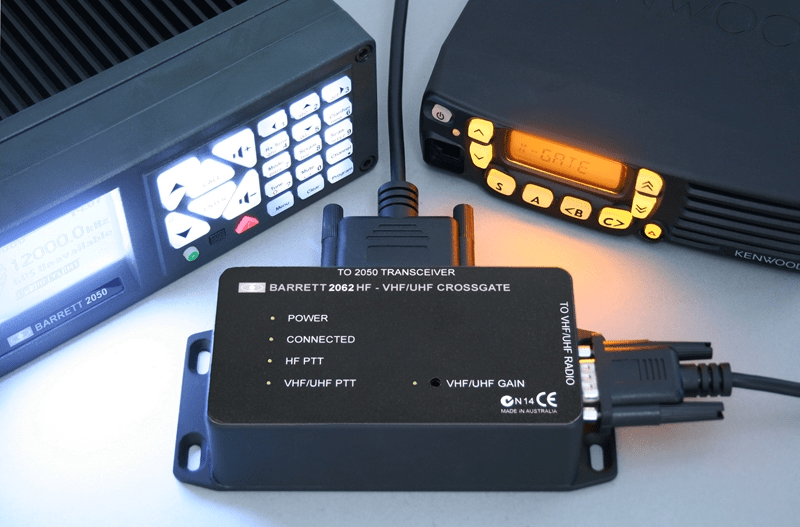
3. Barrett 2062 Crossgate Device
The 2062 HF-VHF/UHF Crossgate is an affordable system that provides seamless communications between different radio networks. This makes it perfect for operators in the field who need to switch between line of sight communications through VHF/UHF transceivers to transmitting information over long distances through the HF radio network. The Barrett device’s compact size means it’s easily installable in vehicles too.
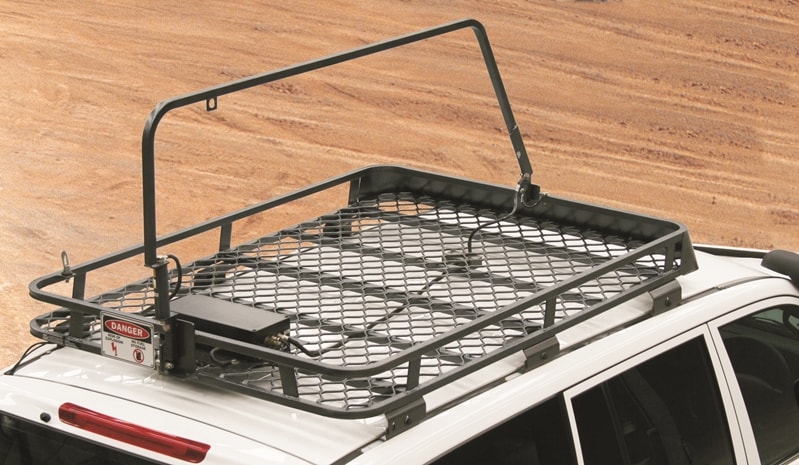
4. 2018 Mobile Magnetic Loop Antenna
Barrett’s Magnetic Loop Antenna is a step up from other whip-type vehicle antenna – it offers greater reliability, as well as improved transmit and receive performance. The 2018 Loop Antenna is designed with a unique sound-reducing feature which can be intergrated into a custom-designed roof rack suitable for any vehicle. The antenna radiation pattern has low angle nulls towards each side of the vehicle, reducing background noise from adjacent powerlines. This makes it vital for quality communication on the road.
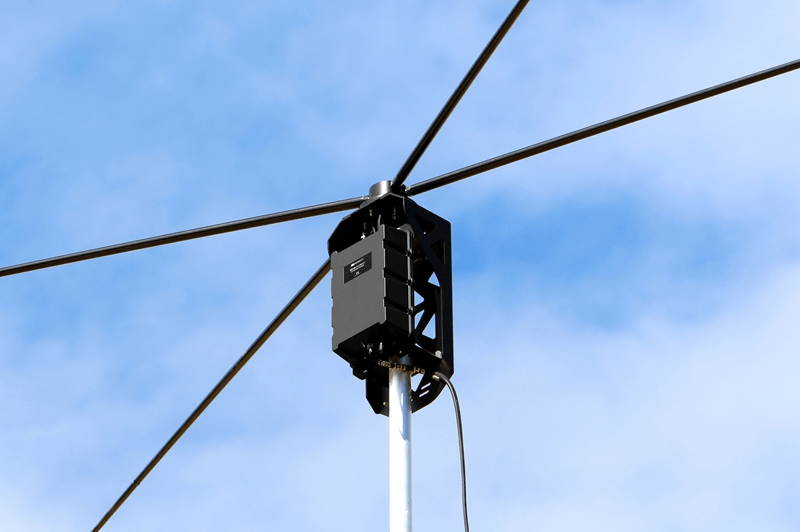
5. HF 4017 Auto Tuning Horizontal Dipole
In field situations, space can be at a premium – so how can humanitarians establish a reliable communications base, even with these limitations? The 4017 Auto Tuning Dipole is designed for such conditions. The device can be mounted as close to 6m to the ground, making installation easier. Additionally, the 4017 Dipole is even more compact in transit, with a packed length of just 2.1 metres.
Barrett’s support of humanitarian work
Barrett Communications has supported the work of humanitarian groups worldwide for decades, deploying HF solutions to aid charity workers in the field.
Take our recent work in Peru. A couple holidaying in the Andes had their van bogged down on a remote, muddy road. With no phone signal or internet coverage, the couple were in serious danger of being cut off. After two days, they eventually managed to send a message to friends.
From there, local search and rescue authorities were contacted, including local emergency radio operator group Unidad 4×4 de Ayuda. Using their knowledge of the highlands and Barrett 2050 HF base radio equipment, Unidad operator Aníbal Paredes was able to exchange messages and navigation information with the couple. The reliability of Barrett devices meant all the information was successfully transmitted to the couple, who were eventually towed to rescue on day three.
This is just one example of our commercial HF radio equipment being used to help those in need – for more examples of our work in the humanitarian sector, check out our blog. Or if you want to learn more about our HF radio equipment, contact the team today.

Beyond the blackout: are power distributors underestimating the effectiveness of their backup communications?
When the power goes out, communication becomes everything.

Building a radio network for community-based environmental alerts
Learn how to build an HF radio network for community alerts. Explore emergency frequencies, training, and protocols to enhance disaster resilience

PACE comms strategy: Why HF radio is vital for emergency response
Choosing the right Primary, Alternate, Contingency, and Emergency (PACE) comms strategy is critical for improving the response to critical incidents.
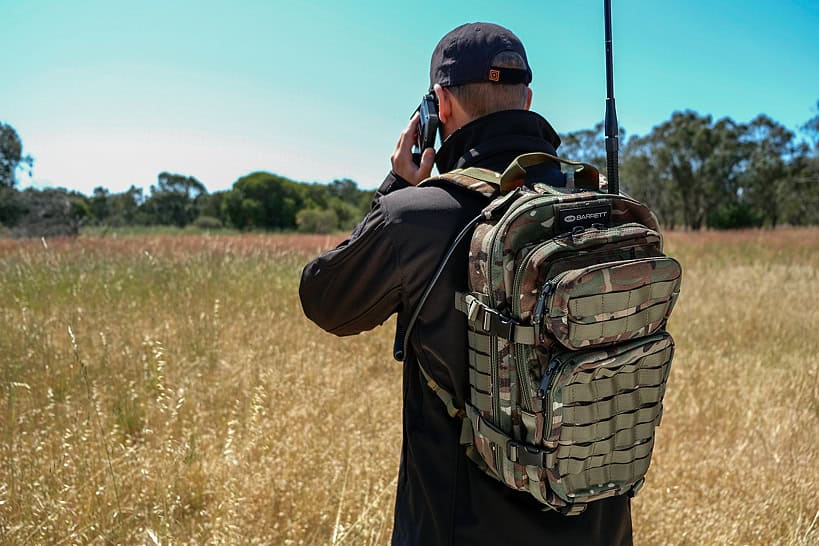
Cognitive Radio: Smart Solutions for Spectrum Congestion
The surge in demand for wireless communication has led to significant spectrum congestion. Cognitive radio technology offers a smart solution to this problem by intelligently identifying and switching to available channels, enhancing spectrum efficiency and mitigating congestion.
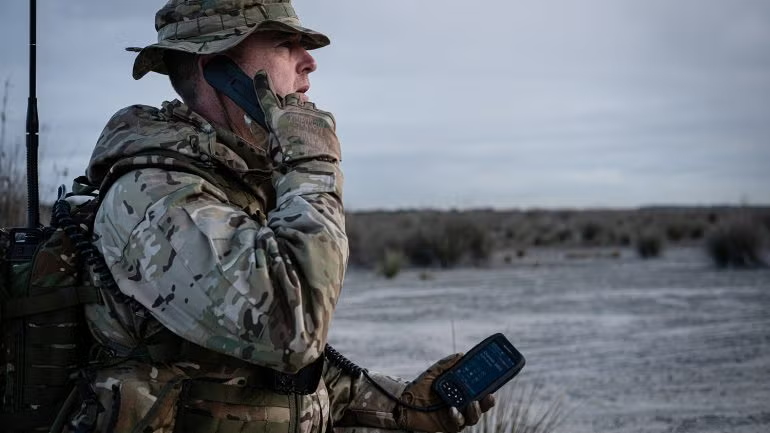
Eliminating empty zones: Why HF radio remains critical in remote desert areas
Securing reliable communications across vast desert areas that lack the necessary infrastructure can be complicated. In these so-called ‘empty zones’, which can extend for thousands of kilometres, alternative comms systems must be put in place to ensure vital personnel can remain in contact.
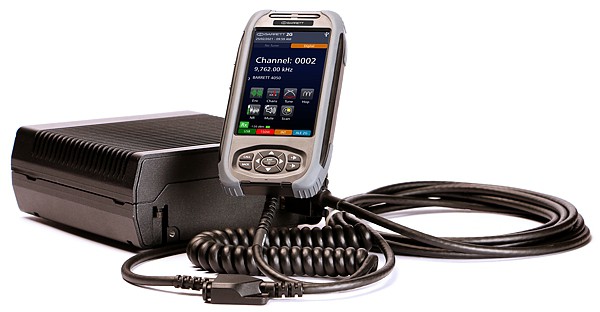
Advanced HF Radio Propagation Techniques: Mastering Long-Distance Communications
High-frequency (HF) radio wave propagation is crucial for long-distance communication.