
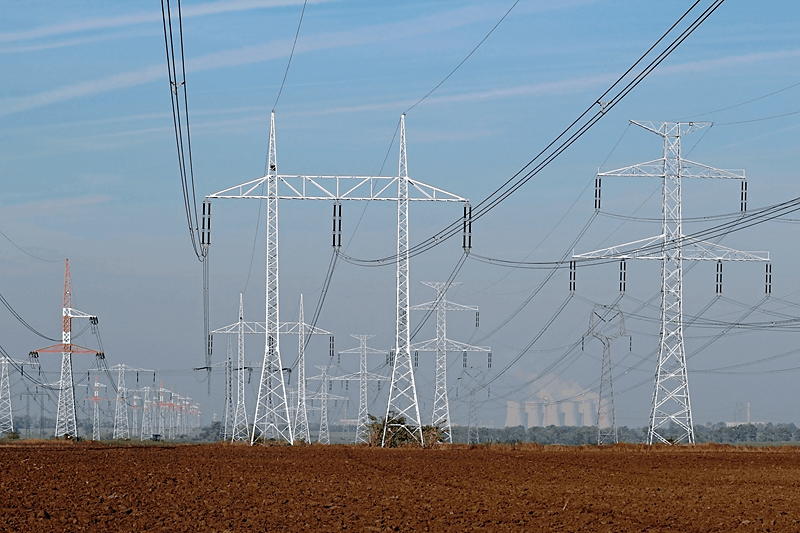
Why HF radio communications are vital in utilities infrastructure
Why HF radio communications are vital in utilities infrastructure
Spanning some of the most remote locations on the planet to provide power, water and telecommunications for our societies, installing and maintaining this infrastructure requires field operators to be prepared for emergency situations by using the right communications equipment.
Fortunately, HF radio offers utilities companies a secure tool for addressing the issues that face these workers, including lack of network coverage and operational reliability in case of emergencies. Let’s take a look at why HF radio is the best communications device for utilities infrastructure workers to use.
What communication challenges do field operators face?
Ernst & Young shows major utilities infrastructure projects encounter numerous issues, contributing to a world-average of 38 per cent budgetary overspending and 25 month-delays. A contributor is the communication challenges field operators face. Maintaining contact between infrastructure workers in the field and with home base is vital. However, this can be challenged by a number of factors:
• Remote locations, which make normal satellite network communications devices redundant.
• Extreme weather, which can inhibit vital information exchange between different parties.
• The ongoing costs of using other communications devices become too inflated, taking into account the first two issues.
Why HF radio equipment is vital to field communications?
The best way for field operators to communicate when installing or maintaining utilities infrastructure is through equipment that doesn’t rely on satellite coverage – HF radio.
This communications equipment is ideally suited for these circumstances. Able to transmit voice, fax and data signals, HF radio waves are transmitted from a transceiver which then bounces off the Earth’s ionosphere to span short and long distances. This addresses the communication and safety challenges that face operators:
• HF radio signals can transmit without satellite coverage, meaning information can be sent regardless of location.
• Extreme weather or heavy clouds don’t affect HF radio signals in the same way as they do satellite communications – this makes contacting field operators at any time, anywhere easier. These devices are also operable in highs and lows of temperature, remaining functional between a bitter -30 Celsius and boiling +70 Celsius.
• Barrett Communications’ range of HF radio systems all boast a Duress feature, allowing operators to automatically transmit emergency information in the case of an accident or injury.
Barrett Communications’ industry pedigree
Providing communications networks for utilities infrastructure is part of the industry pedigree Barrett has earned. Leaders in developing HF radio systems for more than 40 years, our team has worked with a number of providers to develop solutions that suit their infrastructure projects. One such example is our work partnered with the Bonneville Power Authority (BPA) in the Pacific Northwest of the United States.
Bonneville Power Authority operates transmission systems spanning 24,000 kilometres.
The BPA supply one third of the power in the Pacific Northwest region, operating and maintaining high voltage transmission systems spanning more than 24,000 kilometres. This infrastructure is spread across some of the most remote territory in the US, making communications for field workers difficult.
Working with the BPA, we planned a total HF communications network consisting of radio transceivers in base stations and maintenance centres, manpack radios for field operators and antenna configurations optimised for the widespread area.
HF radio doesn’t have the same network limits as other communication devices – making it ideal for the BPA’s work in remote areas of the Pacific Northwest.
Staying at the forefront of the industry
Part of our commitment to delivering the best HF radio systems is maintaining our presence with utilities companies who are looking for reliable communications solutions. In January, our US team attended the annual DistribuTECH conference in San Antonio, Texas.
DistibuTECH 2018 attracted record numbers, with over 13,500 attendees from 78 different countries viewing stalls from the 520+ exhibitors.
Barrett Communications Business Development Manager Joe Mauro says, “this event attracts a big crowd who have a real interest in using HF as an emergency fallback solution. It was a tremendous success for us.”
For more information on finding a HF radio system that suits your own utilities infrastructure operation, contact the Barrett team today.

Beyond the blackout: are power distributors underestimating the effectiveness of their backup communications?
When the power goes out, communication becomes everything.

Building a radio network for community-based environmental alerts
Learn how to build an HF radio network for community alerts. Explore emergency frequencies, training, and protocols to enhance disaster resilience

PACE comms strategy: Why HF radio is vital for emergency response
Choosing the right Primary, Alternate, Contingency, and Emergency (PACE) comms strategy is critical for improving the response to critical incidents.
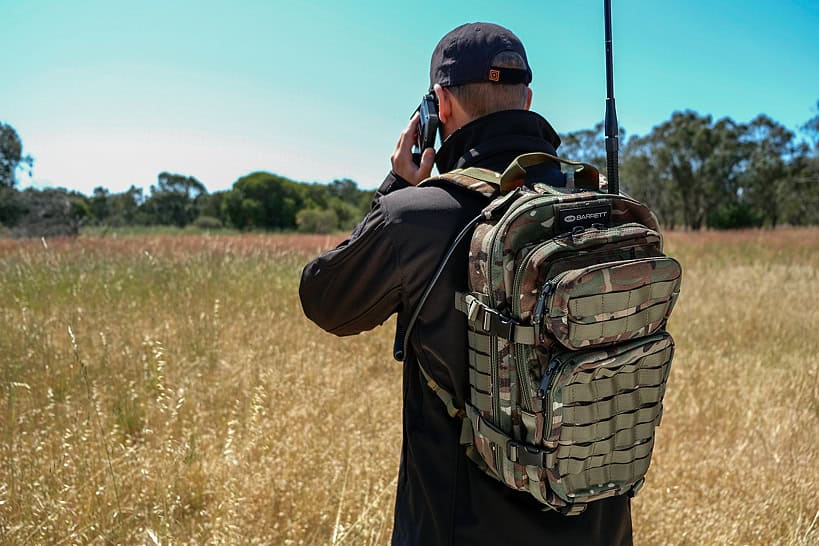
Cognitive Radio: Smart Solutions for Spectrum Congestion
The surge in demand for wireless communication has led to significant spectrum congestion. Cognitive radio technology offers a smart solution to this problem by intelligently identifying and switching to available channels, enhancing spectrum efficiency and mitigating congestion.
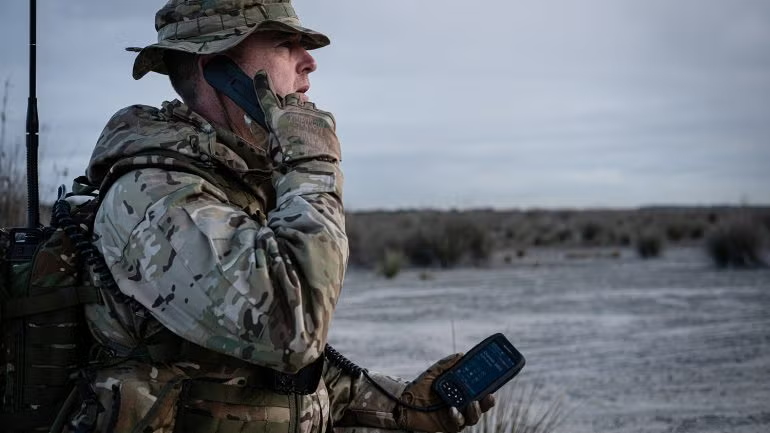
Eliminating empty zones: Why HF radio remains critical in remote desert areas
Securing reliable communications across vast desert areas that lack the necessary infrastructure can be complicated. In these so-called ‘empty zones’, which can extend for thousands of kilometres, alternative comms systems must be put in place to ensure vital personnel can remain in contact.
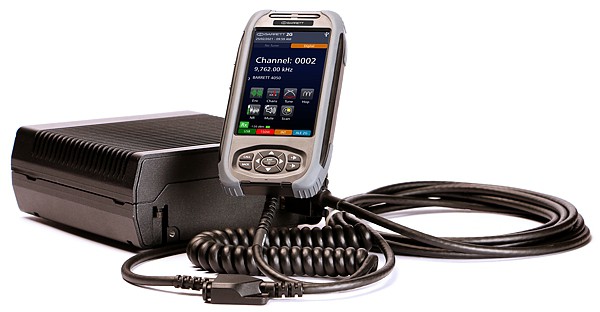
Advanced HF Radio Propagation Techniques: Mastering Long-Distance Communications
High-frequency (HF) radio wave propagation is crucial for long-distance communication.